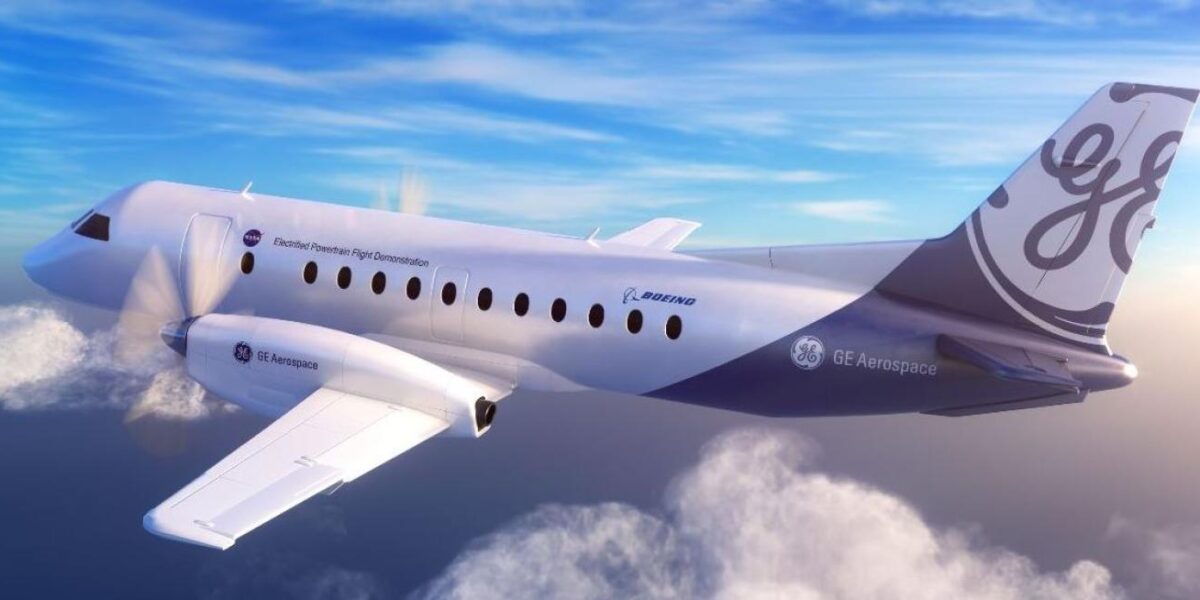
After decades of science fiction promises, 2026 marks a pivotal turning point for urban air mobility. Electric vertical takeoff and landing aircraft (eVTOLs)—commonly called air taxis—are finally transitioning from test flights to commercial reality, with companies like Joby Aviation and Archer leading the charge toward FAA certification and revenue-generating operations.
The Race to Certification
In November 2025, the FAA granted Joby Aviation Type Inspection Authorization (TIA), marking a historic first for the industry. This milestone moved Joby into Stage 4 of the five-stage eVTOL certification process, positioning the company for potential Type Certification in early 2026.
This isn’t just regulatory paperwork—it represents years of rigorous safety testing, design validation, and proving that these aircraft can operate safely in congested urban environments. The TIA authorization means the FAA has determined Joby’s design is mature enough for intensive conformity and airworthiness testing.
What Makes eVTOLs Different
Unlike traditional helicopters, eVTOLs operate on electric power, making them significantly quieter and more environmentally friendly. Joby’s aircraft, for instance, is designed with six tilting propellers that allow vertical takeoff and landing while enabling efficient cruise flight at speeds up to 200 mph.
Key advantages of eVTOL aircraft include:
- Reduced noise pollution: Electric motors are dramatically quieter than helicopter engines, making urban operations more feasible
- Lower operating costs: Electric propulsion requires less maintenance and uses cheaper fuel (electricity vs. jet fuel)
- Zero direct emissions: No exhaust during operation supports sustainability goals
- Simplified mechanics: Fewer moving parts mean increased reliability
Commercial Launch Plans
Joby has partnered with Delta Air Lines to launch air taxi services in New York and Los Angeles—two of the most congested metropolitan areas in the United States. The vision is to offer airport-to-downtown transfers that take minutes instead of hours.
Meanwhile, Dubai is positioning itself as an early adopter. Joby is constructing a vertiport at Dubai International Airport, scheduled for completion in Q1 2026, as part of an initial network for air taxi services in the emirate.
Government Support Accelerates
The White House eVTOL Integration Pilot Program (eIPP) has given the industry a significant boost. This program directs the Department of Transportation and FAA to enable mature eVTOL aircraft to begin operations in select markets—potentially even ahead of full FAA certification.
This regulatory flexibility could allow demonstration flights and limited commercial operations to begin while final certification requirements are completed, giving operators valuable real-world experience.
Archer Aviation Closing the Gap
While Joby currently leads in certification progress, competitor Archer Aviation isn’t far behind. Both companies are testing their aircraft extensively, including operations in the United Arab Emirates where regulatory approval may come faster than in the U.S.
Archer has focused on building city partnerships and establishing local operations, taking a different strategic approach than Joby’s scaling and manufacturing focus. This competition benefits consumers and pushes the entire industry forward.
Challenges Ahead
Despite the excitement, significant challenges remain:
- Infrastructure: Vertiports—dedicated landing pads with charging facilities—must be built in urban areas
- Air traffic integration: Safely incorporating eVTOLs into existing airspace requires new management systems
- Battery technology: Current batteries limit range to approximately 100 miles, though technology continues improving
- Public acceptance: Convincing people to trust autonomous or semi-autonomous aircraft will take time
What This Means for Travelers
For the average traveler, eVTOL services initially will be premium-priced—comparable to helicopter charters or high-end car services. However, as production scales and technology matures, prices are expected to drop significantly.
The global advanced air mobility market is projected to reach $29 billion by 2030, suggesting substantial investment and growth ahead.
The Bottom Line
2026 represents the transition from “if” to “when” for commercial air taxis. With Joby approaching FAA certification, government programs supporting integration, and vertiports under construction, the pieces are falling into place for a new era of urban transportation.
While widespread adoption will take years, early adopters in cities like New York, Los Angeles, and Dubai may soon experience what was once the stuff of science fiction—summoning an air taxi with an app and flying over gridlocked traffic below.




Stay in the loop
Get the latest flighttechtrends updates delivered to your inbox.