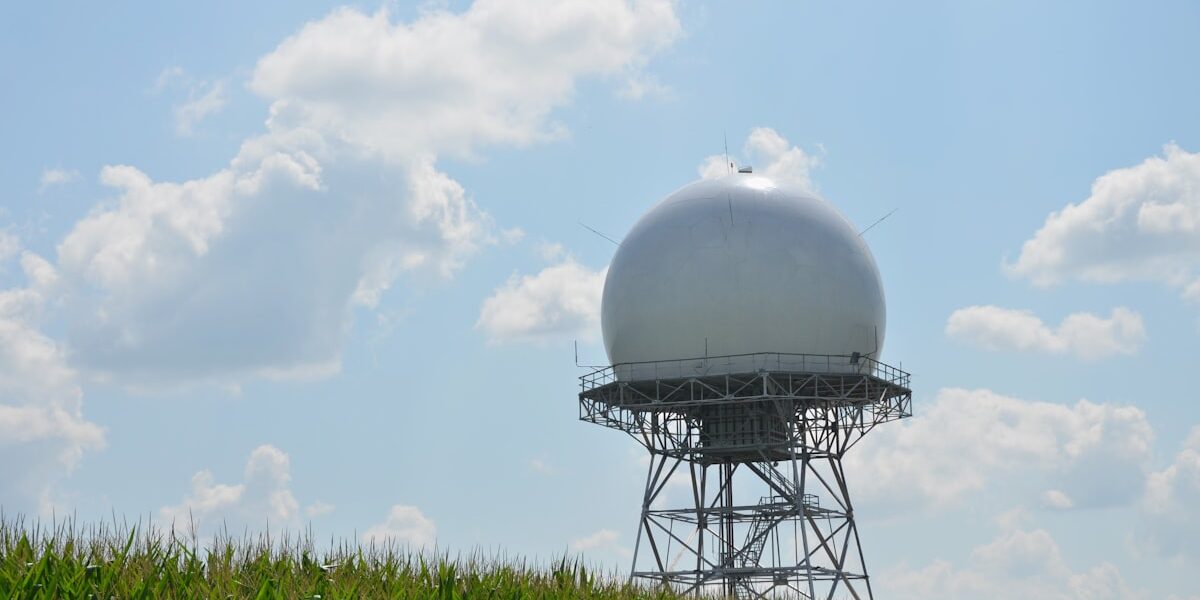
Evolution of Airborne Weather Detection
Weather radar technology has evolved dramatically from the early systems that first allowed pilots to detect precipitation ahead. Modern weather radar systems combine sophisticated signal processing, predictive algorithms, and multi-mode capabilities that give flight crews unprecedented awareness of hazardous weather conditions. These advances continue to reduce weather-related accidents and enable more efficient flight operations.

Today’s advanced weather radar systems represent the culmination of decades of research and development, incorporating lessons learned from countless flight operations and accident investigations. The technology has progressed far beyond simple precipitation detection to provide comprehensive weather situational awareness.
Multi-Mode Weather Radar Capabilities
Contemporary airborne weather radar systems operate in multiple modes, each optimized for different phases of flight and weather detection requirements. During cruise flight, the radar scans ahead to identify convective activity at long range. During approach, it focuses on detecting windshear and microburst hazards in the immediate flight path.
Predictive Windshear Detection
One of the most significant advances in weather radar technology is predictive windshear detection. These systems identify the characteristic radar signatures of microbursts and low-level windshear before the aircraft encounters these dangerous conditions. By providing advance warning, typically 10 to 40 seconds before encounter, crews have time to execute escape maneuvers or abandon approaches.
Turbulence Detection
Modern radar systems can detect turbulence associated with precipitation by analyzing the variance in Doppler returns from water droplets. This provides information about atmospheric conditions that could affect passenger comfort and safety. Some systems can detect turbulence at ranges exceeding 40 nautical miles, giving crews adequate time to inform passengers and adjust altitude if necessary.
Signal Processing Advances
Advanced signal processing algorithms allow modern weather radars to differentiate between various types of precipitation and accurately assess threat levels. These systems can distinguish between benign rain showers and dangerous convective cells, preventing both unnecessary deviations and inadvertent penetration of hazardous weather.
Ground clutter rejection has improved dramatically, enabling accurate weather detection even when flying at low altitudes or near mountainous terrain. This is particularly important during approach and departure phases when weather hazards near the surface present the greatest risk.
Integration with Flight Management Systems
Weather radar data increasingly integrates with flight management systems and electronic flight bags. This integration enables automatic routing suggestions that avoid detected weather while minimizing fuel consumption and delays. Pilots can overlay weather radar returns on navigation displays, providing intuitive visualization of weather relative to the planned flight path.
Datalink Weather Integration
Modern cockpits often combine onboard radar data with datalink weather products, including NEXRAD composite imagery and graphical turbulence forecasts. This fusion of sources provides a more complete weather picture than either source alone, helping crews make better tactical decisions about weather avoidance.
Phased Array Technology
The newest generation of airborne weather radars employs phased array antenna technology, replacing traditional mechanically scanned antennas. Phased array systems scan electronically, enabling faster update rates and more flexible scan patterns. These systems can simultaneously perform weather detection and terrain mapping functions, reducing equipment weight and complexity.
Future Developments
Research continues into advanced weather radar capabilities, including improved detection of clear air turbulence, volcanic ash, and icing conditions. Artificial intelligence and machine learning algorithms are being applied to weather radar data interpretation, potentially providing automated hazard assessment and avoidance recommendations. These advances will further enhance aviation safety in adverse weather conditions.




Stay in the loop
Get the latest flighttechtrends updates delivered to your inbox.