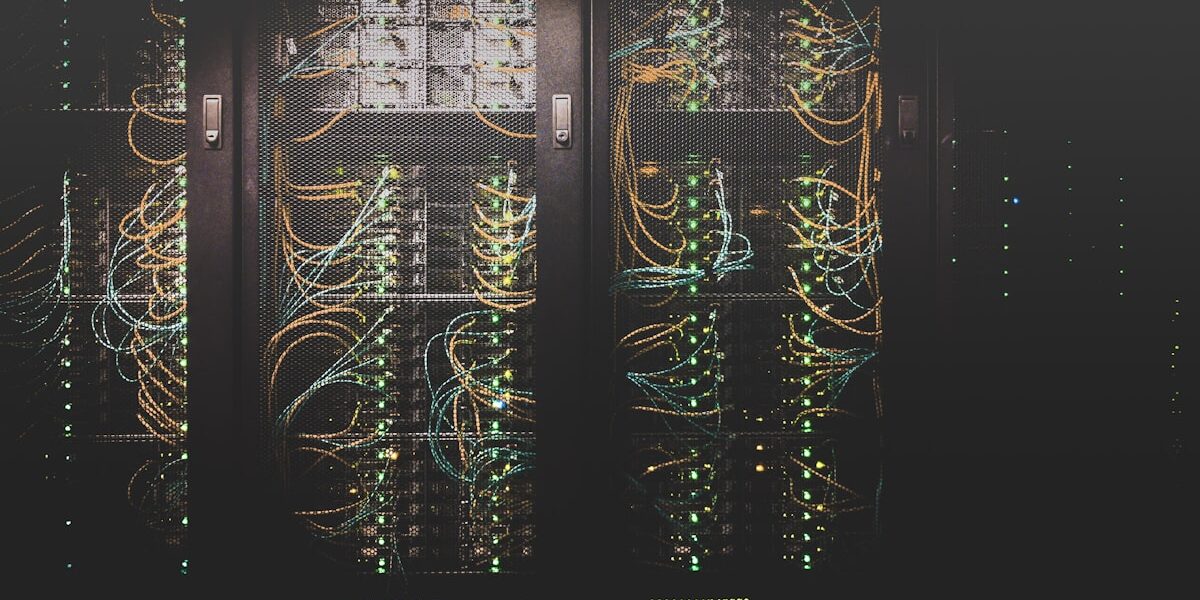
Somewhere in a data center, an algorithm just analyzed 47 million data points from a Boeing 787’s last 200 flights. It found a pattern so subtle no human would ever notice: a 0.3-degree temperature deviation in the left engine’s high-pressure turbine that, if left unchecked, would lead to an in-flight shutdown in approximately 180 flight hours. The maintenance alert was generated before the pilots even knew anything was wrong.
From Reactive to Predictive
For most of aviation history, maintenance was reactive – fix things when they broke. The industry then evolved to preventive maintenance – replace parts on fixed schedules before they failed. Now, machine learning enables predictive maintenance – replace parts exactly when they need replacing, based on actual condition rather than calendar days.
The difference is enormous:
- Reactive: Flight cancelled due to unexpected mechanical failure
- Preventive: Parts replaced too early (wasting money) or too late (risking failure)
- Predictive: Parts replaced at optimal time, failures prevented, costs minimized
The Economics of Maintenance Evolution
Consider the financial impact of each approach. Reactive maintenance on a commercial aircraft engine can cost millions in unscheduled downtime, passenger compensation, crew repositioning, and emergency parts procurement. Preventive maintenance avoids these catastrophic costs but often replaces components with 30-50% of useful life remaining—a significant waste.
Predictive maintenance threads the needle, maximizing component life while preventing failures. For a single widebody aircraft, the annual savings can exceed $1 million compared to traditional preventive approaches. Across a fleet of 200 aircraft, that’s $200 million annually returning to airline profits.
The Data Deluge
Modern aircraft generate staggering amounts of data. A single Boeing 787 Dreamliner produces approximately 500 gigabytes of data per flight from thousands of sensors monitoring:
- Engine temperatures, pressures, and vibrations
- Hydraulic system performance
- Flight control actuator positions and forces
- Electrical system loads and anomalies
- Environmental control system parameters
- Brake and landing gear conditions
Multiply this by 12-14 flight hours per day, 365 days per year, across a fleet of hundreds of aircraft, and you have a data problem that only machine learning can solve.
Data Architecture and Processing
Managing this data requires sophisticated infrastructure. Airlines typically maintain data lakes storing years of historical flight data—petabytes of information that trains and validates ML models. Real-time streaming platforms process incoming data as flights occur, enabling immediate anomaly detection.
Edge computing on the aircraft itself performs preliminary analysis, reducing bandwidth requirements for data transmission. Only relevant data and flagged anomalies need immediate transmission; full datasets sync during ground operations via WiFi or cellular connections.
How Aviation AI Works
Machine learning systems in aviation typically follow a multi-stage approach:
Data Collection: Sensors continuously stream data to onboard computers. After landing, this data is uploaded to airline operations centers, either via WiFi or cellular connections.
Feature Engineering: Raw data is processed to extract meaningful features – not just “engine temperature is 1,247°C” but “engine temperature is 2.3°C above expected for these conditions.”
Pattern Recognition: ML algorithms compare current patterns against historical data from thousands of similar aircraft. They learn what “normal degradation” looks like versus “impending failure.”
Prediction: Based on detected patterns, algorithms predict remaining useful life of components and probability of failure within specific timeframes.
Alerting: Maintenance teams receive prioritized alerts with recommended actions and optimal timing for repairs.
Algorithm Types in Aviation ML
Different ML approaches suit different maintenance challenges. Supervised learning works well when historical failures provide labeled training data—the algorithm learns what patterns preceded past failures. Unsupervised learning detects anomalies without prior failure examples, useful for rare events or new aircraft types.
Deep learning neural networks excel at finding subtle patterns in high-dimensional data but require massive training datasets. Ensemble methods combining multiple algorithms often outperform any single approach, providing both accuracy and robustness.
Real-World Impact
Airlines implementing ML-based predictive maintenance report significant benefits:
- Delta Air Lines: Reduced unscheduled maintenance events by 25% using predictive analytics
- United Airlines: Prevented an estimated 50+ engine shutdowns per year through early detection
- Lufthansa: Decreased aircraft-on-ground time by 35% through better maintenance planning
- Emirates: Reduced engine shop visits by accurately predicting component life
The cost savings are substantial. An unscheduled engine removal costs $500,000-$2,000,000 when you factor in spare parts inventory, maintenance crew overtime, passenger rebooking, and potential regulatory scrutiny. Preventing even a few such events per year pays for sophisticated ML systems many times over.
Beyond Engines
While engines get the most attention, ML is transforming maintenance across all aircraft systems:
Auxiliary Power Units (APUs): These small engines that provide power on the ground are notoriously failure-prone. ML systems now predict APU issues weeks in advance.
Landing Gear: Brake wear, tire condition, and hydraulic system health are continuously monitored and predicted.
Avionics: Even electronic systems show degradation patterns that ML can detect before complete failure.
Cabin Systems: Entertainment system failures, seat malfunctions, and galley equipment issues can be predicted and addressed during scheduled maintenance.
The Digital Twin Concept
Some manufacturers are implementing “digital twin” technology – a virtual replica of each physical aircraft that’s continuously updated with real-world data. The digital twin allows engineers to simulate scenarios, test maintenance strategies, and predict failures without touching the actual aircraft.
Rolls-Royce has pioneered this approach with their TotalCare engine management program. Each engine has a digital twin that tracks its individual history and predicts its unique maintenance needs based on how it has actually been operated, not generic fleet averages.
Challenges and Limitations
ML in aviation isn’t without challenges:
- Data quality: Algorithms are only as good as the data they’re trained on
- Novel failures: ML struggles with failure modes it hasn’t seen before
- Interpretability: Regulators want to understand why an algorithm made a prediction
- Integration: Connecting ML systems with existing maintenance processes is complex
The Future: Truly Autonomous Maintenance
The next frontier is ML systems that don’t just predict failures but automatically schedule maintenance, order parts, and optimize fleet operations. Some airlines are already testing systems that automatically reroute aircraft to maintenance bases when ML detects developing issues.
The vision is an aviation system where aircraft essentially diagnose themselves, schedule their own doctor’s appointments, and ensure they’re always healthy enough to fly. We’re not there yet, but the trajectory is clear. Machine learning isn’t just predicting problems – it’s preventing them before anyone knows they exist.


Stay in the loop
Get the latest flighttechtrends updates delivered to your inbox.