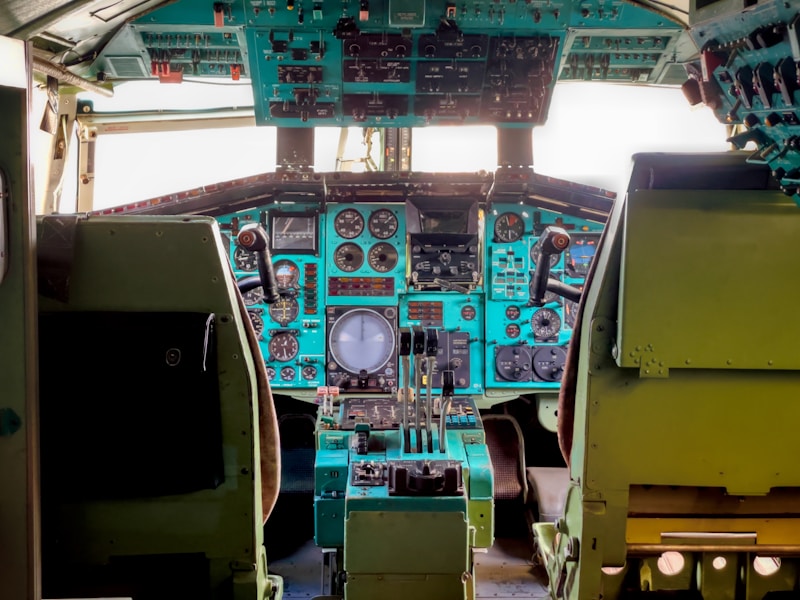
Artificial intelligence is no longer a futuristic concept in aviation—it’s actively reshaping how aircraft operate, how pilots make decisions, and how airlines manage their fleets. In 2026, the integration of AI systems has accelerated dramatically, driven by both technological advances and the pressing need for safer, more efficient operations.
AI as Copilot: Enhanced Decision Support
Modern cockpits are increasingly equipped with AI-powered assistance systems that analyze thousands of variables in real-time. Tools like Honeywell Forge process weather conditions, air traffic patterns, aircraft performance data, and route optimization—delivering actionable insights that help pilots make better decisions faster.
The key word here is “assistance.” These systems aren’t replacing pilots; they’re augmenting human capabilities by:
- Reducing cognitive load: AI handles data analysis, letting pilots focus on critical decision-making
- Providing real-time recommendations: Weather deviations, fuel-efficient altitudes, and optimal speeds are calculated continuously
- Enhancing situational awareness: Threat detection and unusual pattern recognition alert crews to potential issues
How AI Decision Support Works
Understanding the technical architecture helps explain why these systems are effective. Modern AI copilots use multiple data streams: aircraft sensors reporting engine parameters, fuel state, and system status; external data including weather radar, turbulence reports, and traffic information; historical data showing what decisions worked in similar situations.
Machine learning algorithms process these inputs to generate recommendations. When the AI detects developing convective weather ahead, it doesn’t just alert the crew—it calculates deviation options, evaluates fuel implications of each, considers downstream traffic conflicts, and presents the optimal choice. The pilot reviews and accepts or modifies the recommendation, maintaining authority while benefiting from computational analysis no human could perform.
Voice-Controlled Cockpits
One of the most practical AI applications emerging in 2026 is voice recognition technology. Instead of navigating complex menus or toggling through switch panels, pilots can issue natural spoken commands like “Show me alternate routes around the storm” or “Calculate fuel requirements for diversion to Denver.”
This hands-free interaction keeps pilots’ eyes outside the cockpit and reduces the physical and mental burden of system management during high-workload phases of flight.
The Evolution of Voice Recognition in Aviation
Early aviation voice systems struggled with cockpit noise and accented speech. Modern systems, trained on diverse pilot populations and tested extensively in high-noise environments, achieve accuracy rates exceeding 98%. They understand context—”climb” means something different during takeoff than during cruise—and can handle complex multi-step requests.
Integration with flight management systems allows voice commands to directly program navigation changes, request weather updates, or adjust automation settings. The learning algorithms improve with use, adapting to individual pilots’ speech patterns and preferences.
Predictive Maintenance: The Invisible Revolution
Perhaps the most impactful AI application isn’t visible to passengers at all. AI-driven predictive maintenance systems are transforming how airlines manage their fleets.
By analyzing sensor data from engines, hydraulics, avionics, and structural components, these systems can predict failures before they occur. Delta Air Lines reports that AI-driven maintenance has reduced unscheduled downtime by 35%—meaning fewer delayed flights and improved safety.
The impact extends beyond convenience:
- 30% reduction in unscheduled maintenance events
- Optimized parts inventory: Airlines know what they’ll need before components fail
- Extended component life: Condition-based replacement instead of time-based schedules
The Autonomous Flight Debate
Airbus’s DragonFly project has successfully tested autonomous features using an A350-1000 test aircraft, including automated emergency diversion, automatic landing, and taxi assistance. The Autonomous Taxi, Takeoff, and Landing (ATTOL) project showcases AI’s potential to handle critical flight phases.
However, the push toward single-pilot operations—where AI would handle duties traditionally performed by a first officer—has sparked intense debate. While Airbus had initially aimed for cargo flight implementation by 2026 and passenger flights by 2030, these timelines now appear optimistic.
The Air Line Pilots Association (ALPA) has strongly opposed reducing flight deck crew, with President Jason Ambrosi calling the idea of replacing pilots with automation “insane.” The European Union Aviation Safety Agency (EASA) has stated no regulatory changes will be implemented before 2027.
The Technical Challenges of Full Autonomy
Beyond regulatory and labor considerations, significant technical hurdles remain for fully autonomous flight. Current AI systems excel at pattern matching within trained parameters but struggle when encountering truly novel situations.
Weather presents particular challenges. While AI can process weather radar data effectively, interpreting rapidly developing convective cells, predicting turbulence intensity, and making strategic routing decisions requires judgment that current systems don’t reliably demonstrate. Human pilots draw on experience, intuition, and real-time visual assessment in ways that are difficult to replicate algorithmically.
The Edge Case Challenge
Computer scientists and aviation experts agree on a fundamental challenge: AI systems struggle with “edge cases”—rare, complex scenarios that may never have occurred before.
The 2009 “Miracle on the Hudson” is a perfect example. When Captain Sully Sullenberger lost both engines to a bird strike, he made a split-second decision to ditch in the Hudson River rather than attempt to reach an airport. This creative problem-solving in an unprecedented situation exemplifies human judgment that current AI cannot replicate.
Validating AI performance in these edge cases remains the largest obstacle to fully autonomous flight.
Maintaining the Human Element
A critical concern as AI takes on more cockpit tasks is keeping pilots engaged. Ironically, making their jobs easier could make aircraft less safe if pilots become complacent or lose proficiency in manual flying skills.
Modern AI development in aviation prioritizes collaboration—AI acts as a supportive partner while pilots retain ultimate authority. Training programs are evolving to address this human-machine teaming, ensuring crews understand both the capabilities and limitations of their AI systems.
Market Growth and Investment
The numbers tell a compelling story. By 2028, the AI aviation market is projected to reach approximately $914 million, reflecting massive investment in these technologies.
Meanwhile, demand for commercial pilots continues rising alongside AI adoption. Global travel growth means airlines need more pilots, not fewer—AI is positioned to make those pilots more effective, not obsolete.
What Passengers Can Expect
For travelers, AI integration means:
- Fewer delays: Predictive maintenance reduces mechanical issues
- Smoother flights: Better weather routing and turbulence avoidance
- Enhanced safety: Multiple layers of AI-powered monitoring and alerting
- Improved efficiency: Optimized flight paths mean better fuel economy and lower emissions
The Road Ahead
AI in aviation will continue evolving, but 2026 represents a maturation point rather than a revolution. The industry is moving deliberately, prioritizing safety over speed of adoption.
Fully autonomous passenger flights remain years away, if they ever materialize. But AI-enhanced aviation—where human expertise is amplified by intelligent systems—is already here, making flying safer and more efficient for millions of passengers daily.



Stay in the loop
Get the latest flighttechtrends updates delivered to your inbox.