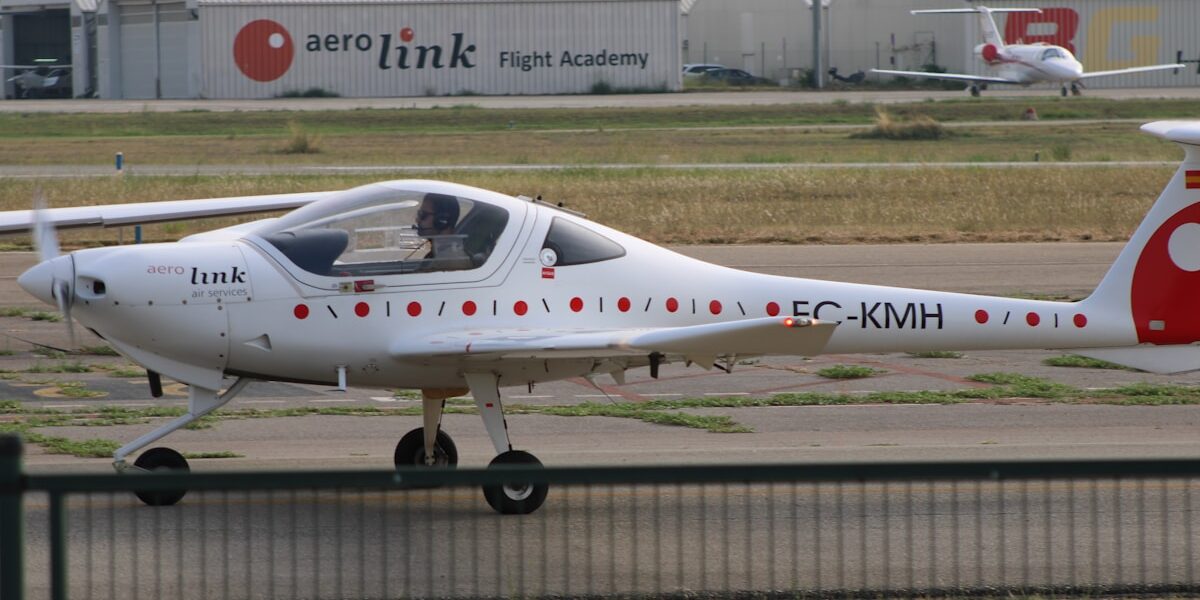
The airline pilot shortage is finally showing signs of easing. As someone who’s tracked this crisis for years, I can tell you the panic peaked in 2024—and now the training pipeline is actually catching up. Regional carriers are still hurting, but things are improving.

Training Pipeline Expanding
Flight schools issued 42,000 new commercial pilot certificates last year, up from 35,000 in 2023. Major airlines have poured money into ab-initio programs taking candidates from zero flight time to airline-ready in 18-24 months.
United’s Aviate Academy and American’s Cadet Academy each graduate over 1,000 pilots annually, feeding directly into regional carrier partnerships. These programs offer guaranteed career paths that attract candidates who might otherwise pick different fields.
Regional Carrier Challenges
Despite improvements, regionals flying smaller jets still struggle with staffing. Starting salaries jumped 60% since 2020, yet pilots keep leaving for majors as soon as they hit enough hours.
Several regional carriers have cut schedules or dropped routes to smaller cities, citing inability to staff aircraft. Communities dependent on regional service have lobbied Congress for solutions, including proposals to lower the 1,500-hour requirement.
Looking Ahead
Analysts expect the shortage to largely resolve by 2027 as training investments mature and retirements slow from their post-pandemic peak. The profession’s economics have permanently changed, though—pilot compensation is significantly higher than a decade ago.
For aspiring pilots, the current environment offers unprecedented opportunities. Sign-on bonuses, accelerated advancement, and improved quality-of-life provisions make aviation careers more attractive than at any point in recent memory.




Stay in the loop
Get the latest flighttechtrends updates delivered to your inbox.