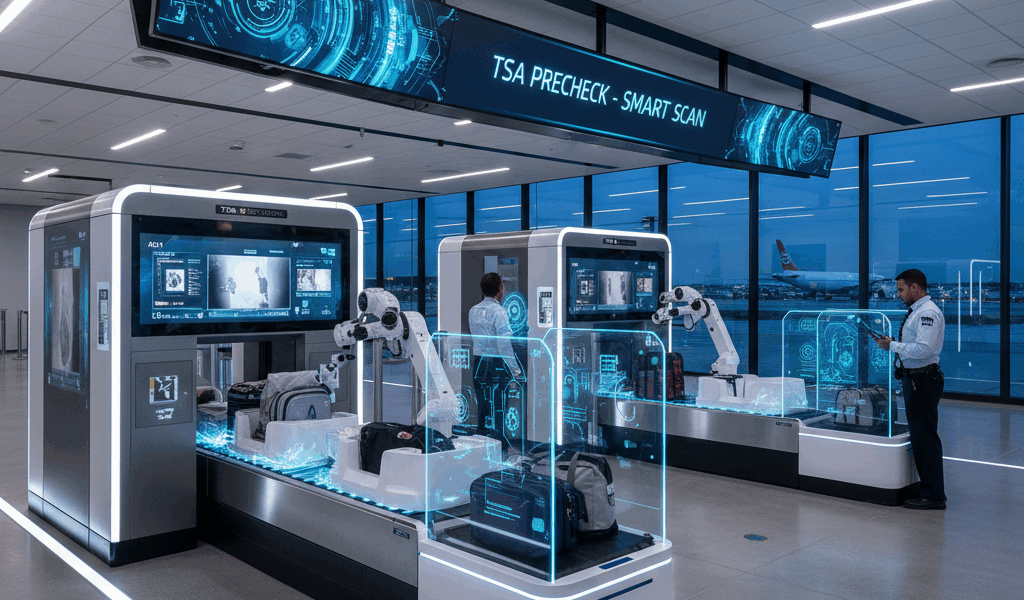
Atlanta’s Hartsfield-Jackson just rolled out new AI-powered security screening that should actually make a difference in those miserable TSA lines. As someone who’s been watching airport tech upgrades for years, I’ve seen plenty of promises fall flat—but this one looks real.
Technology Upgrade
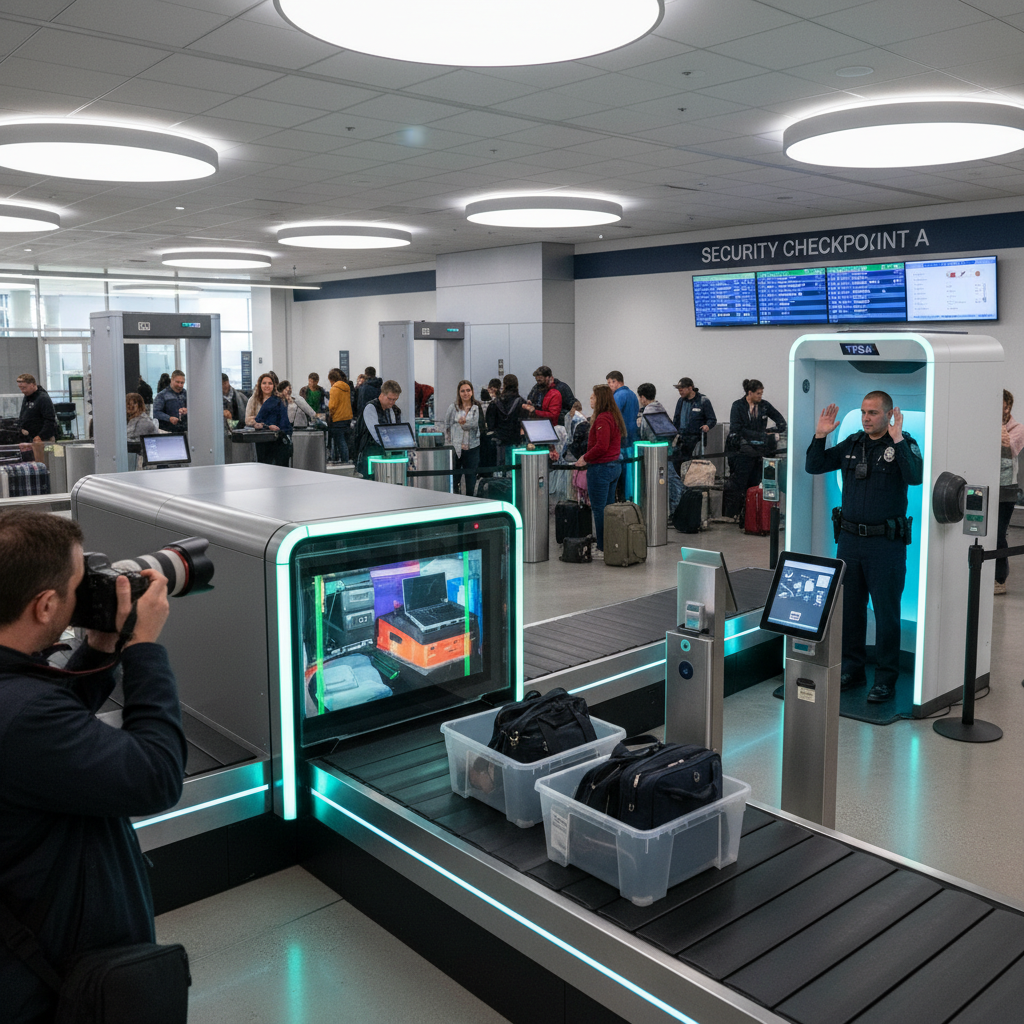
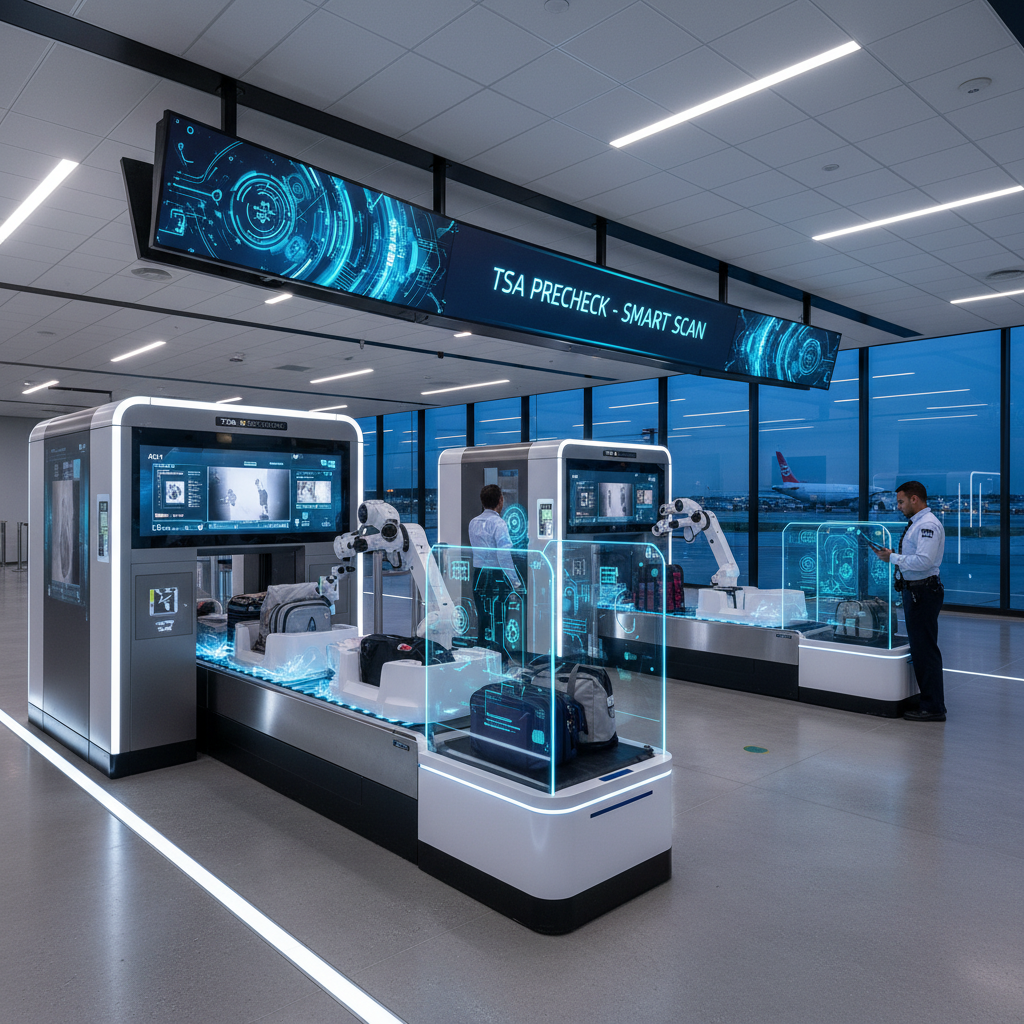
The new CT scanners create 3D images of carry-on bags, letting officers rotate and examine contents without physical inspection. AI algorithms flag potential threats automatically, directing attention only to bags that actually need a closer look.
TSA says false alarms dropped 60% compared to legacy X-ray equipment. Fewer false alarms mean fewer bags getting pulled aside, which speeds everything up.
Passenger Experience
Here’s the good news: you no longer need to remove laptops or liquids from bags when going through upgraded lanes. The 3-1-1 rule still applies, but enforcement relies on scanning rather than making you fish out every bottle.
Early results show screening times dropping from 45 seconds to under 30 per passenger. During the pilot, checkpoint capacity jumped 20% without adding staff.
Nationwide Rollout
TSA plans deployment at all major airports by 2027, though funding issues may stretch that timeline. Over 1,000 units are installed nationwide, with the busiest airports getting priority.
Privacy advocates have raised concerns about the AI systems’ ability to identify specific objects. TSA maintains the tech focuses only on security threats and doesn’t retain images or personal info beyond immediate screening.
For Atlanta’s 93 million annual passengers, this upgrade arrives as part of a broader $6 billion modernization program. Whether it actually fixes those legendary ATL security lines remains to be seen—but the early numbers look promising.


Stay in the loop
Get the latest flighttechtrends updates delivered to your inbox.