
The Path to Autonomous Aviation
Autonomous flight systems are advancing rapidly, driven by technological progress in sensors, computing, machine learning, and connectivity. While fully autonomous passenger aircraft remain years away, increasing levels of automation are already transforming flight operations. From reduced crew concepts to autonomous cargo operations, the aviation industry is steadily moving toward a future where artificial intelligence plays an expanding role in flight.
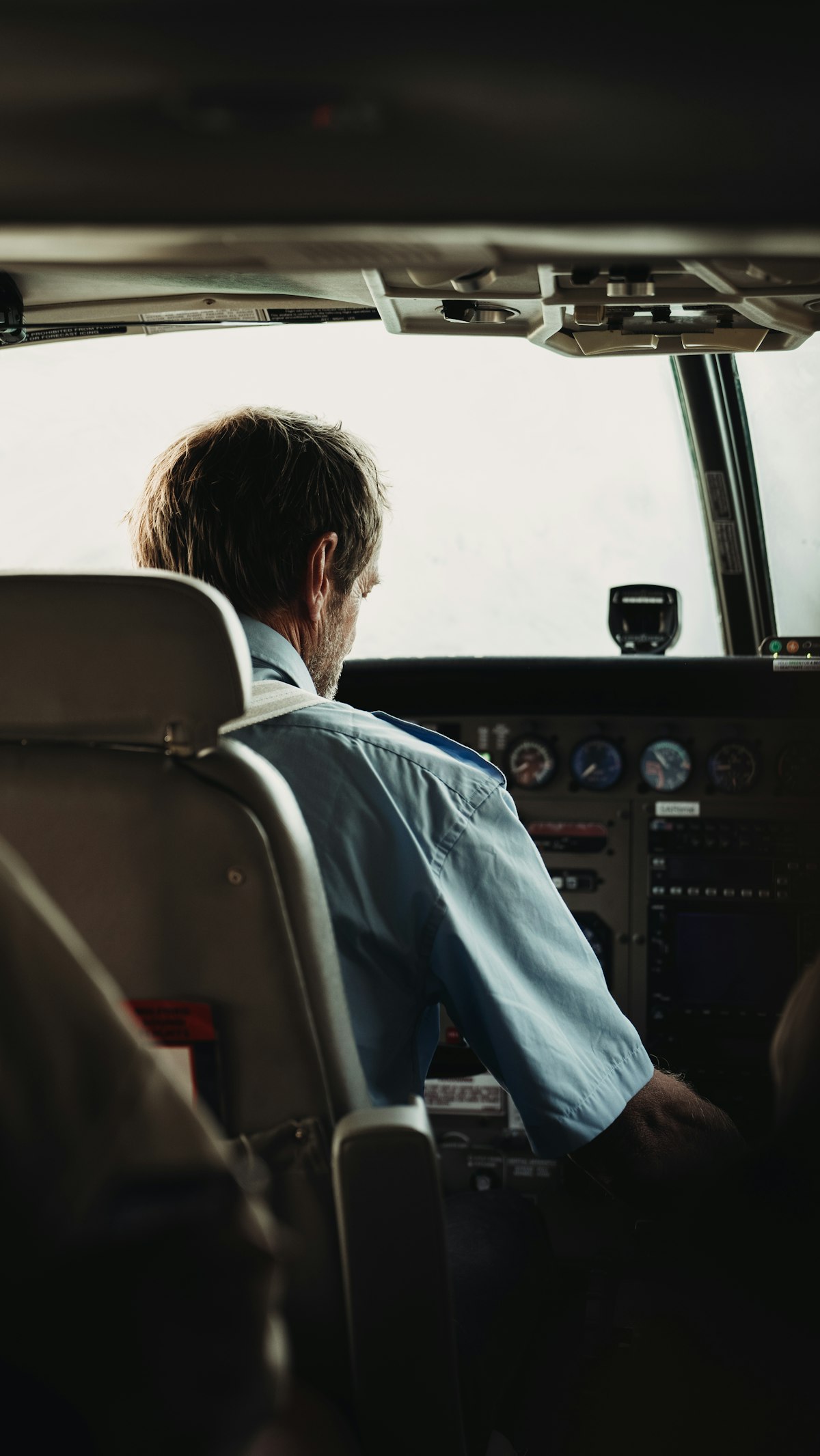
The evolution toward autonomous flight builds on decades of autopilot development and flight management system capabilities. Modern commercial aircraft can already fly most missions with minimal pilot input, but always under human supervision. The next frontier involves systems that can handle abnormal situations and make decisions previously requiring human judgment.
Levels of Flight Automation
Similar to automotive autonomy scales, aviation is developing frameworks for categorizing automation levels. Current commercial aircraft operate at what might be termed Level 2 automation, where systems can control the aircraft but pilots must monitor and intervene as necessary. Level 3 would allow systems to handle routine operations autonomously, with pilots available for complex situations. Level 4 and 5 represent increasing autonomy through fully unmanned operations.
Single Pilot Operations
Reduced crew operations represent an intermediate step toward full autonomy. Studies are examining how advanced automation could enable single-pilot commercial flight, with ground-based operators providing backup support. This concept could address pilot shortages while maintaining safety through enhanced automation and remote oversight capabilities.
Enabling Technologies
Autonomous flight depends on multiple technology pillars working together. Computer vision systems enable aircraft to perceive their environment, detecting other traffic, obstacles, and runway features. Machine learning algorithms process sensor data and make real-time decisions. High-bandwidth, low-latency connectivity enables ground-based monitoring and intervention when needed.
Detect and Avoid Systems
For autonomous aircraft to operate safely in shared airspace, they must detect and avoid other traffic without human intervention. Advanced detect-and-avoid systems combine radar, ADS-B, optical sensors, and artificial intelligence to identify traffic and execute appropriate avoidance maneuvers. These systems must achieve reliability levels equivalent to or exceeding human pilot performance.
Autonomous Decision Making
Perhaps the greatest challenge for autonomous flight is replicating human decision-making in unexpected situations. Pilots draw on experience, intuition, and creativity to handle emergencies that automation designers never anticipated. Developing AI systems capable of similar flexibility while maintaining predictability and explainability remains an active research area.
Current Autonomous Operations
Autonomous cargo operations are already beginning in certain applications. Companies are developing and certifying unmanned cargo aircraft for middle-mile logistics, operating in less congested airspace than passenger services. These operations provide valuable experience and data that will inform future autonomous passenger applications.
Military Applications
Military aviation has embraced autonomous systems for years, with unmanned combat aerial vehicles, autonomous refueling tankers, and loyal wingman concepts in various stages of development and deployment. The experience gained from these programs directly benefits civil autonomous aviation development.
Regulatory Considerations
Certifying autonomous aircraft requires new approaches to safety assessment. Traditional certification relies on demonstrating compliance with prescriptive requirements, but autonomous systems behave differently than conventional automation. Regulators are developing performance-based standards and new means of compliance for AI-based systems.
Timeline for Implementation
Industry experts generally expect autonomous cargo operations to precede passenger applications by several years. Single-pilot operations for commercial aviation may emerge in the 2030s, with increasing autonomy following as technology and regulations mature. Full autonomy for passenger aircraft likely remains decades away, though the technological foundation is being laid today.

Stay in the loop
Get the latest flighttechtrends updates delivered to your inbox.