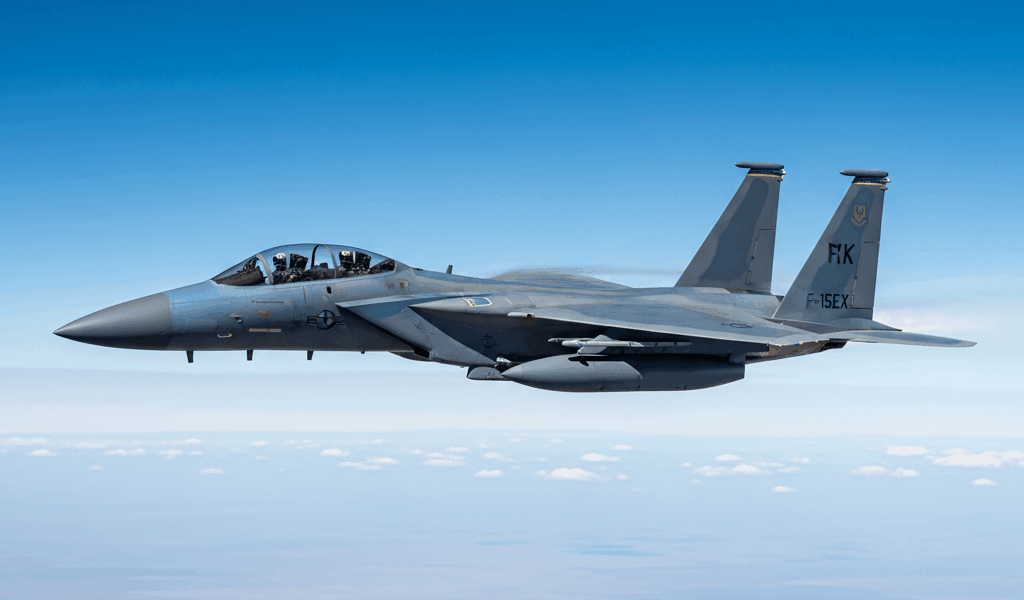
As someone who’s spent years tracking military aviation, I’ve learned everything there is to know about why the F-15EX Eagle II is not a concession to budget pressure — and why the Air Force is making a genuinely smart call here. Today, I’ll share it all with you.
Every few years, someone asks the obvious question: why is the Air Force still buying F-15s when it has F-22s and F-35s? The question sounds smart, but it misunderstands how air forces actually work. The F-15EX is a deliberate choice, and a well-reasoned one.
What Makes the F-15EX Different From the Old Eagle
The F-15EX is not the aircraft your father flew. Boeing has been building upgraded F-15 variants for export customers — Saudi Arabia, Qatar, Singapore — for years, incorporating technology the original U.S. Air Force fleet never received. The EX brings that matured technology back home. The most significant upgrades: the Eagle Passive Active Warning Survivability System (EPAWSS), which replaces the old Tactical Electronic Warfare System with a fully digital suite capable of detecting, tracking, and jamming modern radars; a fly-by-wire flight control system replacing the original mechanical controls; and conformal fuel tanks that increase internal fuel load without adding drag.
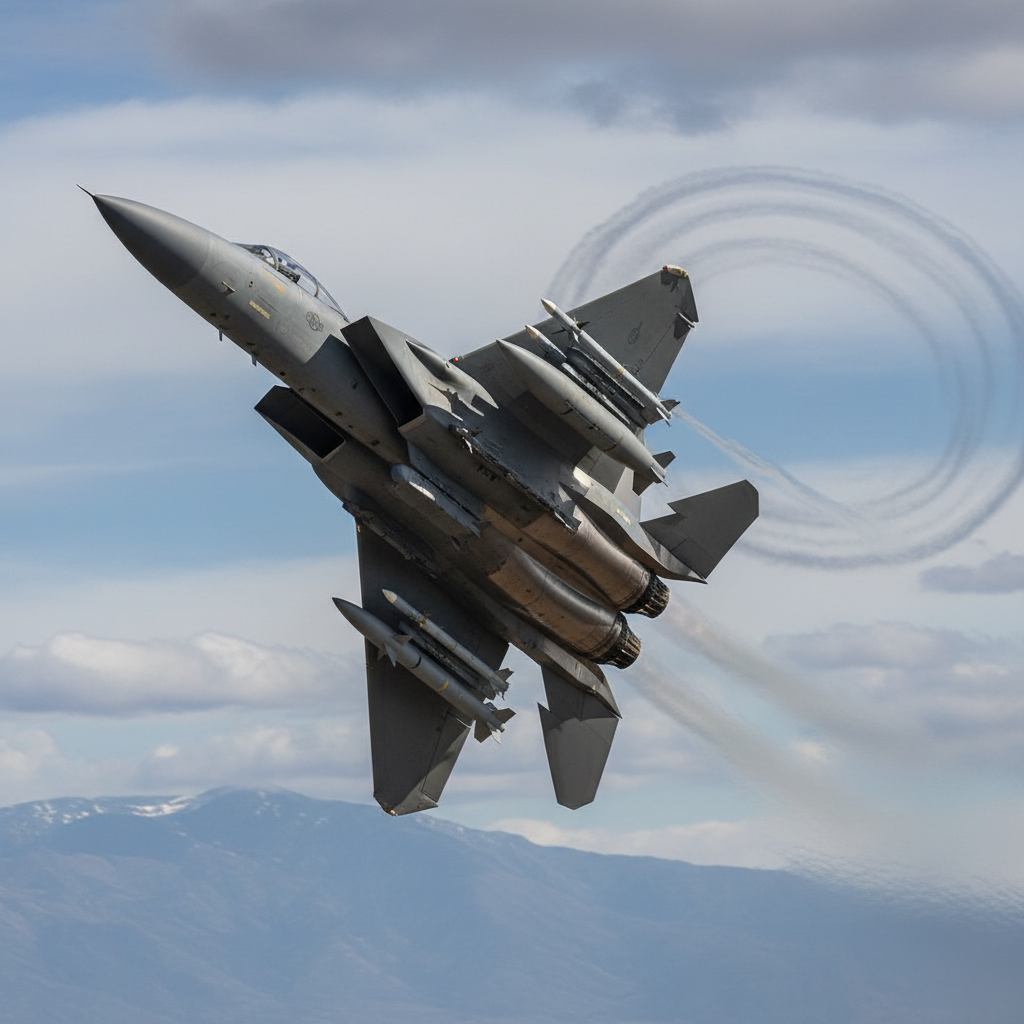
Then there’s the payload. More than any other tactical fighter in the U.S. inventory. For comparison, the F-35A carries 18,000 pounds internally and externally. The F-15EX doesn’t need to worry about stealth, so every hardpoint can be loaded. That matters enormously when you’re thinking about hypersonic weapons, large standoff munitions, or sheer volume of anti-ship or air-to-air missiles.
The Stealth vs. Non-Stealth Question
Critics frame stealth aircraft and fourth-generation fighters as competitors. They’re not — they’re complementary.
Stealth fighters excel at penetrating heavily contested airspace, taking out the air defense infrastructure that would shoot down non-stealthy jets. What stealth fighters don’t do particularly well: carry enormous payloads, stay on station for extended periods, or operate in large numbers at affordable cost. Once F-22s and F-35s suppress an enemy’s air defenses — the DEAD mission — the threat environment changes. Suddenly, a platform that can carry 29,500 pounds of weapons and loiter for hours becomes extremely useful. The F-15EX is built for exactly this second-phase exploitation.
The Maintenance and Pilot Factor
There’s another argument for the F-15EX that doesn’t get enough attention. The Air Force already knows how to fly and maintain F-15s. The training infrastructure exists. The maintenance specialties exist. The tactics, techniques, and procedures exist. Introducing the F-15EX doesn’t require building an entirely new support ecosystem from scratch — and that matters when you’re trying to scale up a fighter force rapidly.
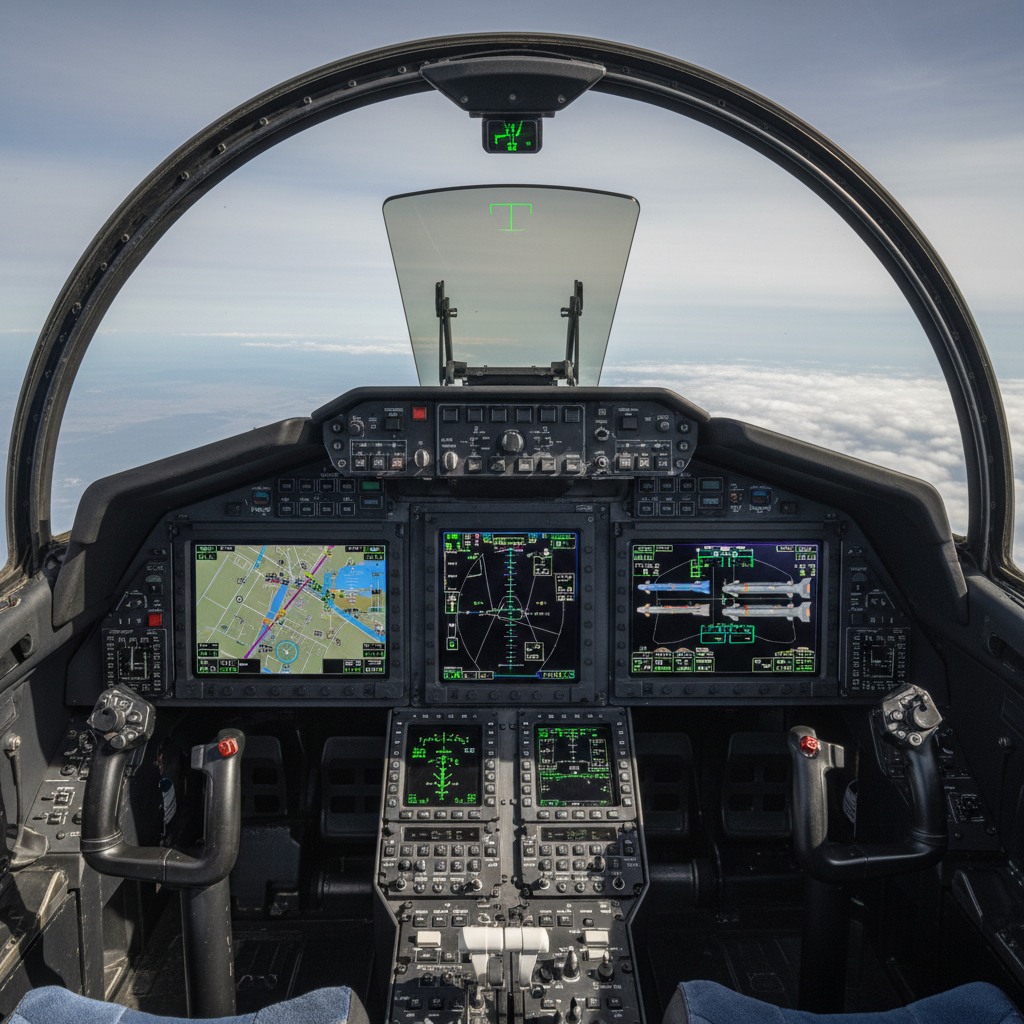
I’m apparently one of the few people who gets excited about the 20,000-hour service life the EX airframe comes with — nearly double the original Eagle’s design life. For pilots transitioning from legacy F-15s, the EX cockpit is immediately recognizable but dramatically improved. The Advanced Display Core Processor II processes data fast enough to fuse sensor information and present it in ways the original Eagle’s computers couldn’t manage.
Export Credibility and Industrial Base
Frustrated by the question of why we’re buying aircraft that seem “old,” people miss a practical reality: Boeing’s F-15 production line exists partly because of export orders. Every F-15EX purchased by the USAF strengthens the production base that supports those exports — and those exports generate revenue, maintain supplier relationships, and keep the line warm for potential future surge production. A healthy F-15 line also gives the U.S. something to offer allies who can’t afford or won’t be sold the F-35.
The Honest Bottom Line
The Air Force isn’t buying F-15EXs out of nostalgia. It’s buying them because a high-low mix of capability — stealthy penetrators plus capable, cost-effective workhorses — is more effective than an all-stealthy force the Air Force could never afford in sufficient numbers anyway. The F-15EX costs roughly $80 million per aircraft. The F-35A costs around $85 million, but with higher sustainment costs. Numbers matter at scale.
If you think buying new F-15s in 2026 is backwards thinking, you haven’t been paying attention to how peer-competitor conflicts might actually unfold. Stealth is a tool, not a theology. The Eagle is still sharp.




Stay in the loop
Get the latest flighttechtrends updates delivered to your inbox.