
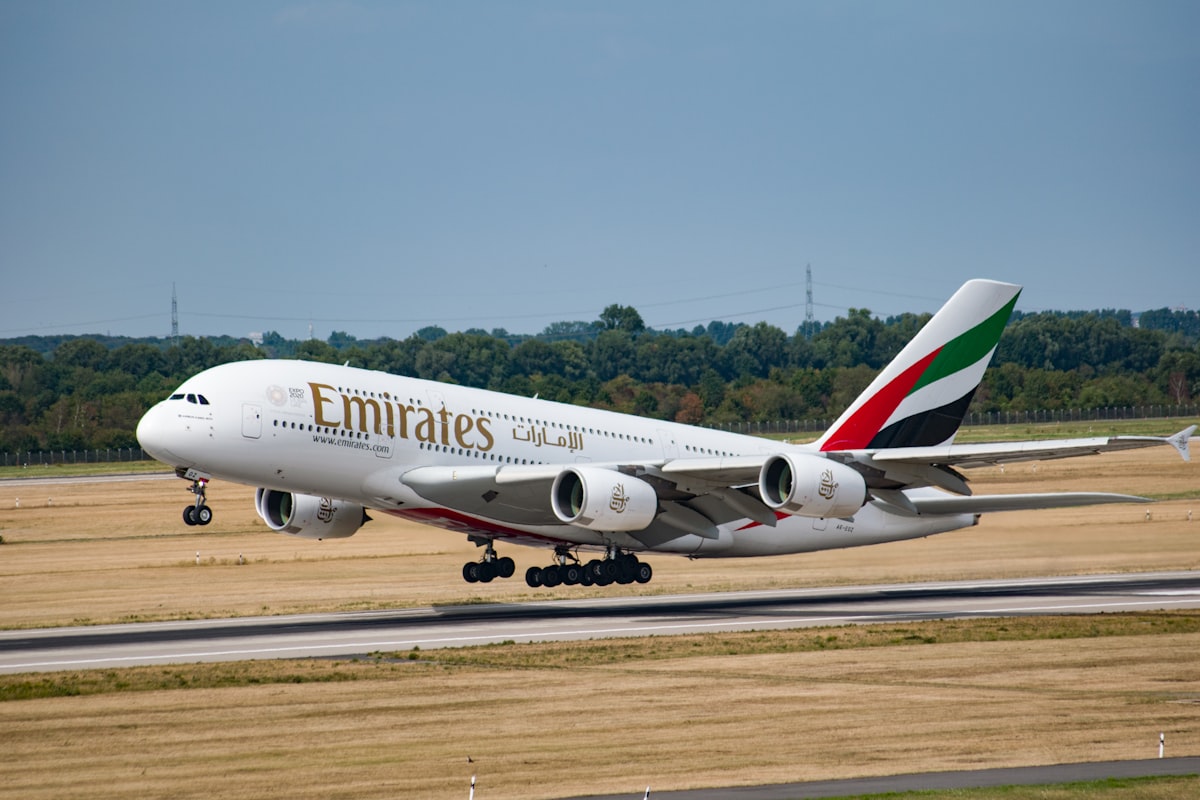
The business class cabin of 2025 looks nothing like its predecessor from just five years ago. Airlines are investing billions in what industry insiders call “smart cabin technology” – an interconnected ecosystem of sensors, AI-driven systems, and personalized interfaces that transform the passenger experience from the moment you board until touchdown.
The Intelligence Behind Modern Premium Cabins
At the heart of this revolution lies a sophisticated network of embedded sensors and processing units. Companies like Collins Aerospace, Panasonic Avionics, and Thales have developed cabin management systems that monitor everything from ambient light levels to individual seat occupancy patterns. These systems don’t just collect data – they act on it in real-time.
Take lighting as an example. Traditional business class cabins offered perhaps three or four preset lighting modes. Today’s smart cabins feature dynamic LED systems with thousands of color combinations that automatically adjust based on time zone, flight duration, and even individual passenger preferences stored in their frequent flyer profiles. The system can simulate sunrise over several hours to help passengers adjust to their destination time zone, reducing jet lag by up to 40% according to studies conducted by Singapore Airlines.
The Architecture of Cabin Intelligence
Modern cabin management systems use a distributed computing architecture. Rather than a single central processor, intelligence is distributed throughout the cabin. Each seat zone has its own processing capability, communicating with neighbors and a central coordinator. This architecture provides resilience—if one zone fails, others continue operating—and enables hyper-local personalization.
Fiber optic networks connect cabin systems, chosen for their immunity to electromagnetic interference from flight systems. Data rates exceed traditional Ethernet by orders of magnitude, enabling the real-time responsiveness passengers experience.
Personalization at Scale
The real breakthrough isn’t any single technology – it’s how these systems work together to create personalized experiences for each passenger. When a premium traveler boards, the seat already knows their preferences:
- Preferred seat firmness and lumbar support settings
- Favorite temperature range
- Dietary restrictions for meal service
- Entertainment preferences and viewing history
- Sleep schedule and comfort item requests
Emirates and Qatar Airways have pioneered this approach with their latest A350 and 777X configurations. The airlines report that personalization features have driven a 23% increase in premium cabin satisfaction scores since implementation.
Privacy and Data Management
With extensive personalization comes privacy concerns. Airlines have implemented detailed consent frameworks that let passengers control what data is collected and how long it’s retained. European carriers must comply with GDPR requirements, while global airlines typically adopt the most stringent applicable standards.
Most systems operate on opt-in bases. Passengers who prefer anonymity receive standard service. Those who share preferences benefit from personalization. The balance seems to be working—adoption rates for personalization programs typically exceed 70% among frequent business travelers.
Connectivity That Actually Works
Perhaps no aspect of business travel has frustrated passengers more than unreliable inflight WiFi. Smart cabin technology addresses this through intelligent bandwidth management. The system monitors usage patterns and automatically prioritizes traffic – ensuring that the executive on a video conference gets stable bandwidth while the passenger streaming a movie experiences seamless playback without either affecting the other.
Newer aircraft like the Boeing 787-10 and Airbus A350-1000 come equipped with multiple satellite antenna systems that can switch between providers mid-flight, maintaining connectivity even over remote oceanic routes. United Airlines reports that their smart bandwidth management has reduced passenger WiFi complaints by 67% on equipped aircraft.
Health and Wellness Monitoring
The COVID-19 pandemic accelerated development of cabin health monitoring systems. Today’s smart business class cabins feature:
- HEPA filtration with real-time air quality displays
- UV-C sanitization systems that activate during boarding and deplaning
- Touchless controls for lighting, entertainment, and seat adjustment
- Optional biometric monitoring through seat sensors (with passenger consent)
Lufthansa’s new “Allegris” business class takes this further with seats that can detect passenger posture and automatically adjust to prevent pressure points during long flights. The system uses haptic feedback to gently encourage movement, addressing the health risks of prolonged sitting at altitude.
The Crew Perspective
Smart cabin technology doesn’t just benefit passengers – it transforms how flight attendants deliver service. Crew tablets now display real-time information about each passenger’s status: who’s sleeping and shouldn’t be disturbed for meal service, who requested a wake-up call before landing, which passengers have connecting flights they might miss.
This predictive service model allows cabin crew to anticipate needs rather than simply respond to call buttons. Delta Air Lines found that smart cabin systems reduced call button usage by 34% while simultaneously improving service ratings – passengers received what they needed before they knew they needed it.
The Investment Equation
Installing smart cabin technology isn’t cheap. A full retrofit of a widebody aircraft’s business class cabin can cost between $8 million and $15 million, depending on the level of technology integration. However, airlines are finding the investment pays off through:
- Higher premium cabin yields (passengers pay more for smart cabins)
- Improved loyalty metrics and repeat bookings
- Reduced crew workload and associated labor costs
- Data-driven insights for future product development
- Competitive differentiation in premium markets
What’s Next
The next generation of smart cabin technology is already in development. Expect to see augmented reality windows that can display information about landmarks below, AI concierge services that can handle complex requests in multiple languages, and even more sophisticated sleep optimization systems that coordinate lighting, temperature, seat position, and cabin pressure to maximize rest.
For business travelers, the message is clear: the future of premium air travel isn’t just about bigger seats and better champagne. It’s about intelligent systems that understand your needs and adapt the entire cabin environment to serve you better. Airlines that master this technology will dominate the lucrative corporate travel market for decades to come.



Stay in the loop
Get the latest flighttechtrends updates delivered to your inbox.