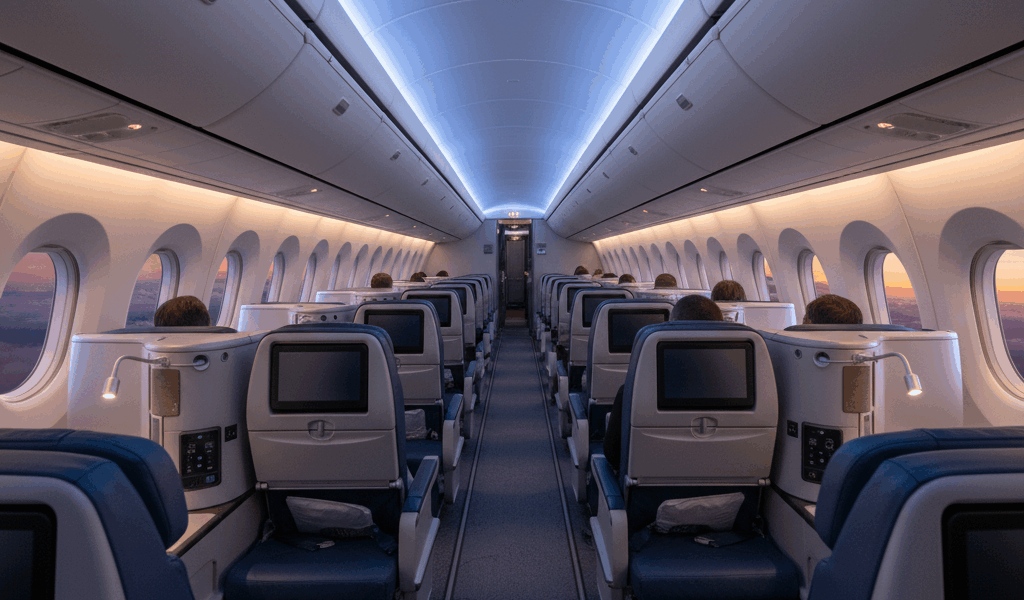
As someone who’s spent years tracking aircraft development and talking to both pilots and passengers who fly the 787 regularly, I’ve learned everything there is to know about what actually makes the 787-9 different — and whether the claims hold up. Today, I’ll share it all with you.
Long-haul flying is, for most people, an exercise in managing discomfort. You board knowing the next 10 to 16 hours will be physically unpleasant in ways you’ve learned to suppress. But the Boeing 787-9 Dreamliner has changed that calculus meaningfully — not just for business class passengers, but for everyone on board. The comfort claims aren’t marketing fluff. There’s engineering behind them.
The Cabin Pressure Difference
The most significant comfort factor on the 787-9 is invisible: cabin altitude. Conventional aluminum-fuselage aircraft pressurize to 8,000 feet equivalent — meaning the air inside the cabin behaves like the air at 8,000 feet above sea level, even when you’re at 40,000 feet. That’s low enough to prevent hypoxia, but high enough to cause fatigue, headaches, and dry mucous membranes over long flights. Your body is mildly oxygen-deprived the entire time you’re airborne.
The 787 uses a composite fuselage — carbon fiber reinforced plastic rather than aluminum — which can handle higher cabin pressure differentials without the metal fatigue concerns that set limits on aluminum airframes. Boeing takes advantage of this by pressurizing 787 cabins to a 6,000-foot equivalent. Passengers report arriving from long-haul flights less fatigued and with fewer headaches. The airline industry spent decades dismissing this as subjective. Physiologists will tell you it’s not.
Humidity and Air Quality
A typical aircraft cabin runs at 4-8% relative humidity, comparable to some of the driest deserts on Earth. The 787 targets 15-16% humidity, which still isn’t comfortable by terrestrial standards, but represents a real improvement.
Airlines on 787 routes have reported reduced passenger complaints about dry eyes, sore throats, and skin irritation — the classic long-haul complaints most travelers assume are just part of flying. The air filtration system uses HEPA filters — the same class used in hospital environments — and the air circulation rate means cabin air is fully refreshed more frequently than on comparable aircraft.
Window Size and Dimming Technology
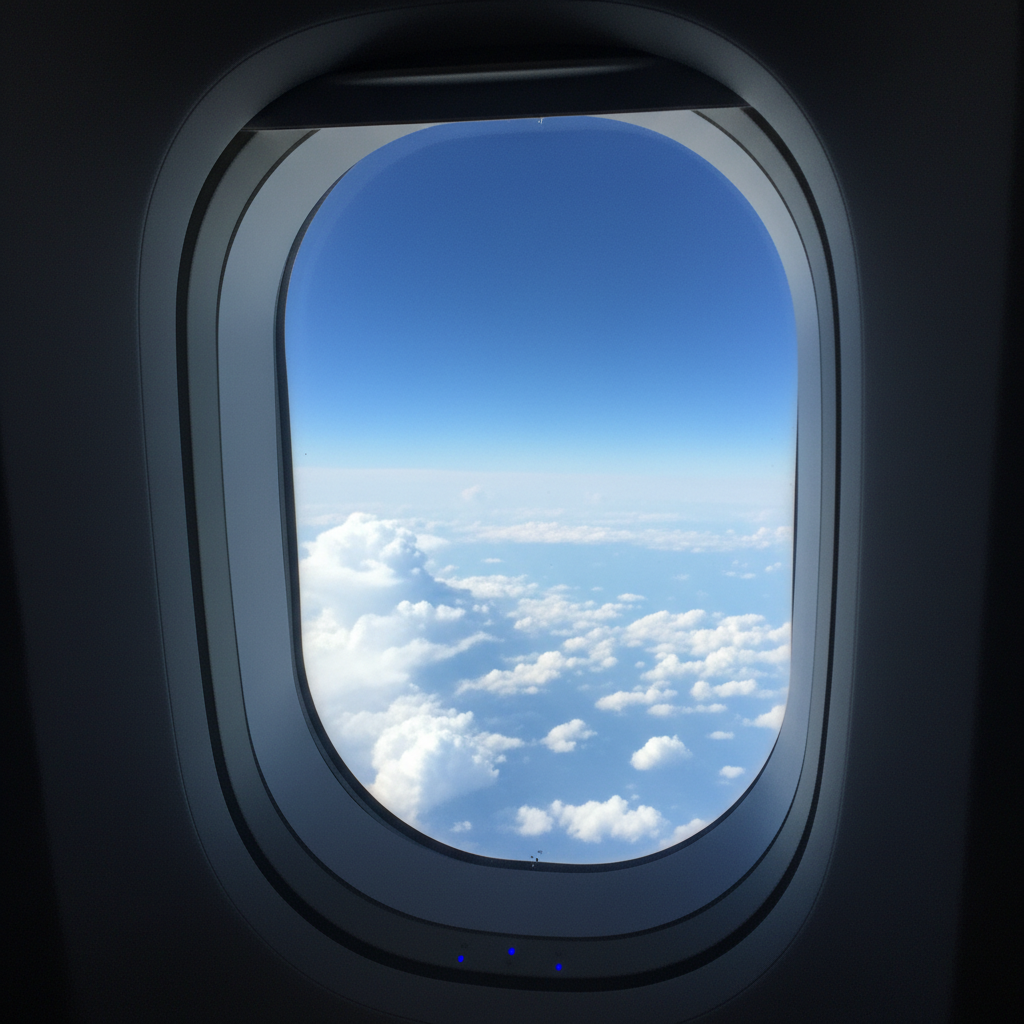
The 787’s windows are 65% larger than those on comparable aircraft. Frustrated by shade-management battles on older aircraft, frequent flyers quickly notice the difference. The electrochromic windows allow passengers to dim the glass electronically across five gradations, rather than raising and lowering a shade. Flight attendants can coordinate cabin lighting without requiring every passenger to physically close their shade.
I’m apparently one of those people who finds this detail genuinely interesting. For passengers in middle seats without direct window access, the larger windows still allow more ambient light into the cabin. The psychological effect of natural light — even filtered and dimmed — on mood and alertness during long-duration travel is well documented. Airlines operating 787s on ultra-long-haul routes often structure lighting programs around the windows’ dimming capability as part of sleep cycle management.
Noise Levels and Engine Technology
The 787 uses either General Electric GEnx or Rolls-Royce Trent 1000 engines, both representing the current generation of turbofan technology. Compared to the engines on aircraft the 787 most commonly replaces — older 767s and 777s — the acoustic signature inside the cabin is noticeably quieter. Noise contributes to passenger fatigue on long flights in ways that aren’t always consciously noticed.
Boeing engineered noise-dampening into the 787’s composite structure and interior systems. The result is a measurably quieter cabin — studies have placed the 787 interior around 5-6 decibels quieter than comparable aircraft. That difference is significant enough that passengers frequently comment on it without knowing what to attribute it to.
What Economy Class Actually Gets
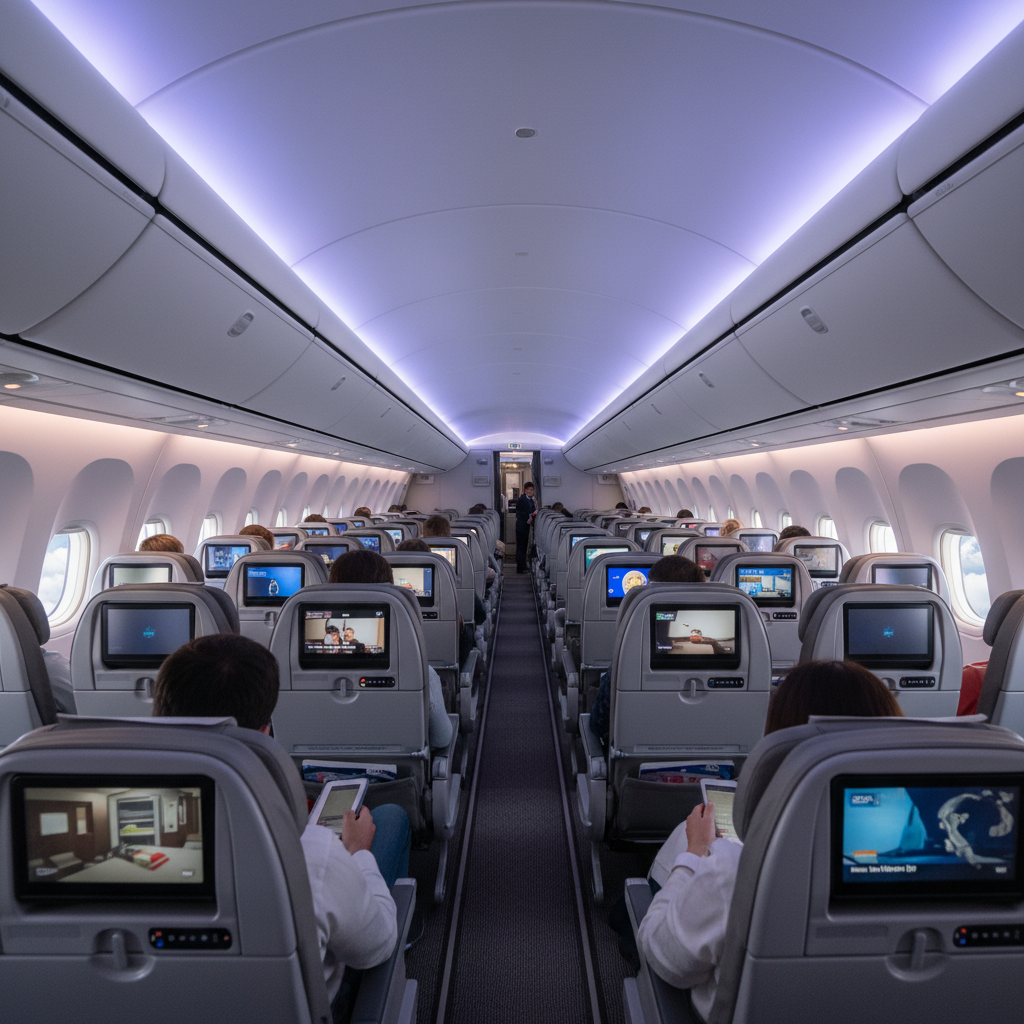
All the cabin pressure, humidity, and noise improvements apply to every seat on the aircraft — not just business class. Economy passengers get the full benefit of the pressurization and air quality systems. The seat pitch varies by airline, so how comfortable your specific economy experience is depends heavily on carrier configuration decisions, but the ambient environment of the cabin itself is better than anything flying before the 787.
The Bottom Line for Long-Haul Travelers
If you have a route choice between a 787-9 and an older aircraft for a long-haul flight, choose the 787-9. The difference in arrival fatigue is real and measurable. Airlines know this — routes served by 787s consistently see higher customer satisfaction scores, and carriers often highlight 787 service in marketing precisely because the comfort premium is something passengers notice and remember. The engineering that went into making passengers feel better after 12 hours in the air deserves more credit than it typically gets. Boeing got something genuinely right here.

Stay in the loop
Get the latest flighttechtrends updates delivered to your inbox.