Advancing Propulsion Efficiency
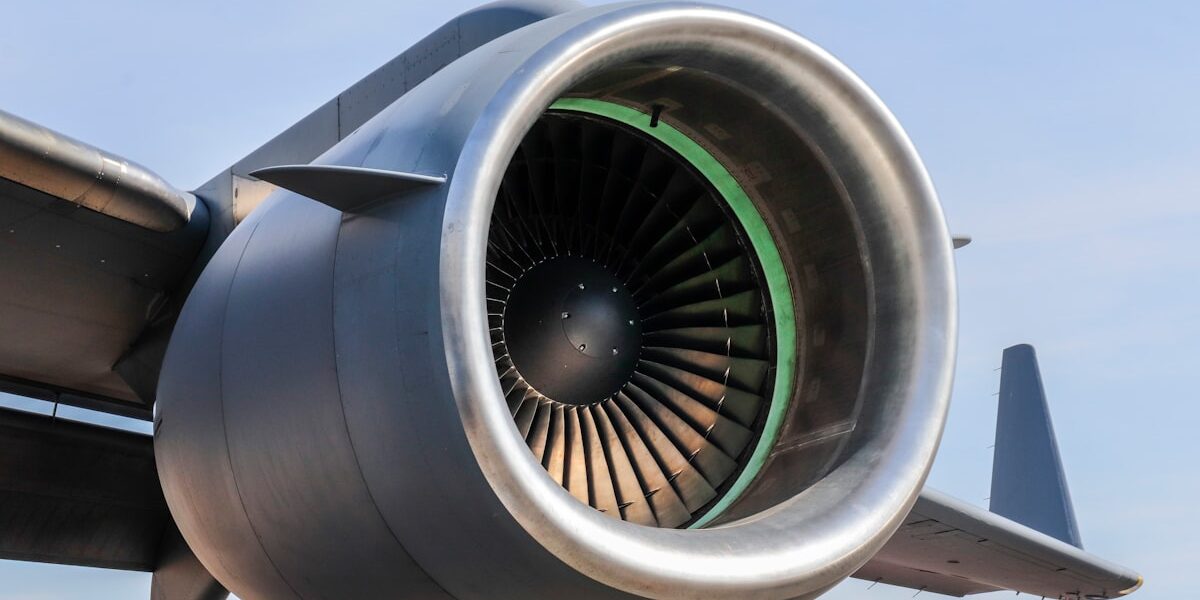
Aircraft engine efficiency has improved dramatically over the past decades, with modern turbofans consuming roughly 15 percent less fuel per passenger mile than engines from just a generation ago. This progress continues as manufacturers develop new architectures, advanced materials, and improved aerodynamics that promise even greater efficiency gains. With fuel costs representing a major airline expense and environmental concerns driving regulatory pressure, engine efficiency remains a central focus of aerospace engineering.

The physics of jet propulsion establish fundamental efficiency limits, but engineers continue finding ways to approach these limits more closely. Each percentage point of efficiency improvement translates to significant fuel savings and emissions reductions across the global fleet.
Ultra-High Bypass Ratio Engines
Modern turbofan engines achieve efficiency through high bypass ratios, where most of the air flowing through the engine bypasses the core. Current production engines achieve bypass ratios around 11 to 1, meaning eleven pounds of bypass air for every pound flowing through the hot core. Next-generation engines push this ratio even higher, with concepts approaching 15 to 1 or beyond.
Geared Turbofan Technology
Pratt and Whitney’s geared turbofan architecture represents a significant advancement in engine efficiency. By adding a reduction gearbox between the fan and the low-pressure turbine, each component can operate at its optimal speed. The fan turns more slowly, reducing noise and improving efficiency, while the turbine spins faster, extracting more energy from the hot gas stream. This technology delivers fuel burn improvements of approximately 16 percent compared to previous generation engines.
Open Rotor Concepts
Open rotor or unducted fan engines offer the potential for even higher propulsive efficiency by eliminating the nacelle that houses conventional turbofans. These engines essentially combine the efficiency of turboprops with jet-like cruise speeds. CFM International and other manufacturers are actively developing open rotor concepts, though challenges around noise and airport compatibility must be addressed.
Advanced Materials
Material advances enable both higher operating temperatures and lighter structures, both of which improve efficiency. Ceramic matrix composites can operate at temperatures exceeding the melting point of conventional nickel superalloys, allowing hotter combustion and improved thermodynamic efficiency. Carbon fiber fan blades and cases reduce weight, decreasing the fuel needed to carry engine mass.
Additive Manufacturing
Three-dimensional printing, or additive manufacturing, is revolutionizing engine component production. Complex internal geometries that improve cooling and reduce weight can be produced that would be impossible with traditional manufacturing. GE Aviation’s LEAP engine incorporates 3D-printed fuel nozzles, reducing part count and improving durability.
Combustion Improvements
Advanced combustor designs burn fuel more completely while producing fewer emissions. Lean burn combustion technology reduces nitrogen oxide emissions by pre-mixing fuel and air before combustion. Rich-quench-lean combustors and other advanced concepts continue to improve both efficiency and environmental performance.
Digital Engine Management
Full authority digital engine control (FADEC) systems optimize engine operation throughout the flight envelope. Advanced algorithms adjust fuel flow, variable geometry, and bleed air extraction to maximize efficiency at every flight condition. Data analytics and machine learning are being applied to engine operation, identifying additional optimization opportunities.
Sustainable Aviation Fuels
While not strictly an engine technology, sustainable aviation fuels (SAF) work in conjunction with efficient engines to reduce aviation’s carbon footprint. Current engines can operate on approved SAF blends with no modification, providing an immediate pathway to reduced lifecycle emissions while advanced propulsion concepts continue to develop.
Future Propulsion Concepts
Looking further ahead, hybrid-electric and hydrogen propulsion concepts offer the potential for step-change improvements in efficiency and emissions. While practical implementation for large commercial aircraft remains challenging, regional and short-haul applications may see alternative propulsion systems enter service within the decade.




Stay in the loop
Get the latest flighttechtrends updates delivered to your inbox.