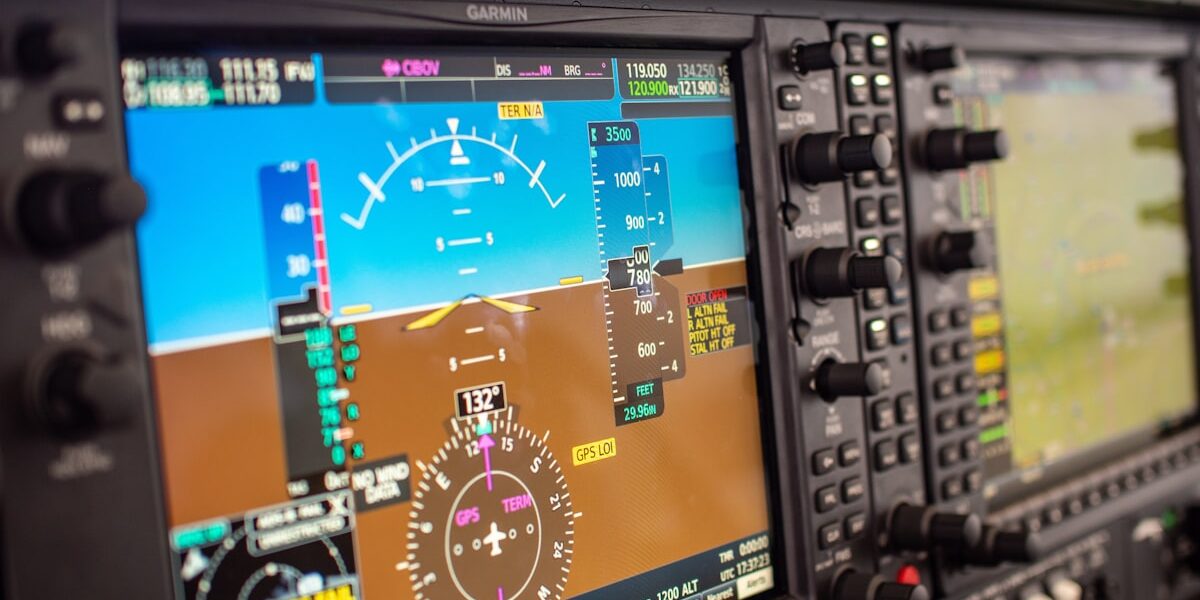
The Federal Aviation Administration has approved expanded use of electronic flight bags (EFBs) for pilots, streamlining cockpit operations and reducing paper-based navigation charts. The rule change represents the culmination of more than a decade of gradual EFB adoption, finally acknowledging that tablets have become more reliable than the paper systems they replace.

Understanding Electronic Flight Bags
An electronic flight bag is exactly what it sounds like: an electronic replacement for the heavy bag of charts, manuals, and documents pilots traditionally carried. Modern EFBs typically run on commercial tablets like iPads, loaded with specialized aviation applications that display navigation charts, approach procedures, aircraft manuals, and flight planning tools.
The transformation from paper to electronic has been gradual. Airlines initially used EFBs alongside paper backups, required by regulations that didn’t fully trust the new technology. This redundancy made sense during the transition but added complexity and cost—pilots carried both tablets and paper, using the electronic versions while maintaining paper as backup.
How EFBs Work
Aviation EFB applications display georeferenced charts—the aircraft’s position appears on the chart in real-time, showing pilots exactly where they are relative to runways, obstacles, and airways. Approach plates that once required careful interpretation now show clearly whether the aircraft is on the published procedure or deviating.
Beyond charts, EFBs contain aircraft operating manuals, weight and balance calculators, performance data, and weather information. Everything a pilot needs to operate safely is accessible on a single device, searchable and instantly available. Finding a specific procedure that might take minutes with paper takes seconds with digital search.
What This Means for Airlines
Starting this month, airlines can now use tablet-based EFBs as the sole source of aeronautical charts and approach plates, eliminating the need for paper backups in many operational scenarios. The rule change reduces weight in the cockpit—sometimes by 40 pounds or more per flight deck—while cutting printing costs and ensuring pilots always have the most current chart revisions.
Weight and Cost Savings
A typical airline pilot’s flight bag, loaded with paper charts covering all potential destinations, weighs 30-50 pounds. Two pilots means 60-100 pounds of paper in every cockpit. Multiply by thousands of flights daily, and the fuel cost of carrying paper becomes significant.
Printing and distribution costs compound the weight penalty. Airlines spent millions annually printing chart revisions—navigation data updates every 28 days, and every pilot needs current copies. Paper charts require physical distribution networks, storage facilities, and disposal of outdated materials. EFBs eliminate this entire infrastructure.
Currency and Accuracy
Electronic updates ensure pilots always have current information. Paper charts become obsolete 28 days after printing; if a pilot doesn’t receive the latest revision, they might fly with outdated data. EFBs update wirelessly, and the software can verify database currency before allowing flight planning.
The accuracy benefits extend beyond currency. Paper charts can be misread, especially in turbulent conditions or low lighting. EFBs display information at controlled brightness, can zoom for detail, and eliminate the possibility of having the wrong chart open. Human factors research consistently shows fewer errors with electronic displays.
Major Airline Adoption
Major carriers including Delta, United, and American have already transitioned to EFB-only operations on domestic routes. International operations followed as regulatory authorities worldwide aligned their requirements. Today, paper charts in airline cockpits are increasingly rare.
The transition required significant training investment. Pilots needed to learn new workflows, understand EFB failure procedures, and develop proficiency with digital tools many hadn’t used before. Airlines that completed this transition years ago are now seeing returns through reduced operating costs and improved operational reliability.
General Aviation Adoption
Private pilots have embraced EFBs even more enthusiastically than airlines. Applications like ForeFlight, Garmin Pilot, and FlyQ have transformed general aviation flight planning and navigation. Many pilots now use tablets as primary navigation references, with traditional panel-mounted avionics as backup rather than primary.
The FAA’s expanded approval benefits these pilots too. While private operations faced fewer regulatory restrictions on EFB use, the commercial aviation approval signals regulatory confidence in the technology. Insurance companies and flying clubs that previously required paper backups are relaxing these requirements.
Technology Requirements
Airlines must demonstrate their EFB systems meet specific reliability standards, including backup power sources and redundant data storage. Most modern tablets used in aviation exceed these thresholds—iPads, the most common EFB platform, have proven remarkably reliable in cockpit environments.
The FAA noted that EFB technology has matured significantly since first introduced, with failure rates now comparable to traditional avionics equipment. When tablets do fail, the failure modes are typically graceful—screens go dark or applications crash, rather than displaying incorrect information that might mislead pilots.
Backup Requirements
While paper backups are no longer required, airlines must still demonstrate redundancy. Most carriers achieve this through dual tablets—each pilot has their own EFB, and either device can access all required information. If one fails, the flight continues with the other. Both failing simultaneously is statistically unlikely and covered by contingency procedures.
Battery life receives particular attention. EFB tablets must operate throughout the longest planned flights without external power, though most aircraft now provide USB charging at pilot stations. Airlines specify minimum battery levels before dispatch, ensuring adequate reserve for unexpected delays.
The Broader Transformation
EFB approval represents a broader shift toward digital cockpits. Modern aircraft increasingly integrate with electronic systems for everything from weight and balance to maintenance tracking to crew scheduling. The tablet becomes one node in an interconnected operational system.
Future developments may see EFBs more tightly integrated with aircraft avionics. Already, some systems allow EFBs to communicate directly with flight management computers, uploading flight plans without manual entry. As connectivity improves, real-time weather, traffic, and operational data will flow seamlessly to pilot tablets.
For passengers, the change is invisible—what happens on the flight deck stays on the flight deck. But the pilots flying your next flight are almost certainly using tablets instead of paper, benefiting from technology that makes navigation more accurate, operations more efficient, and flying safer for everyone.



Stay in the loop
Get the latest flighttechtrends updates delivered to your inbox.