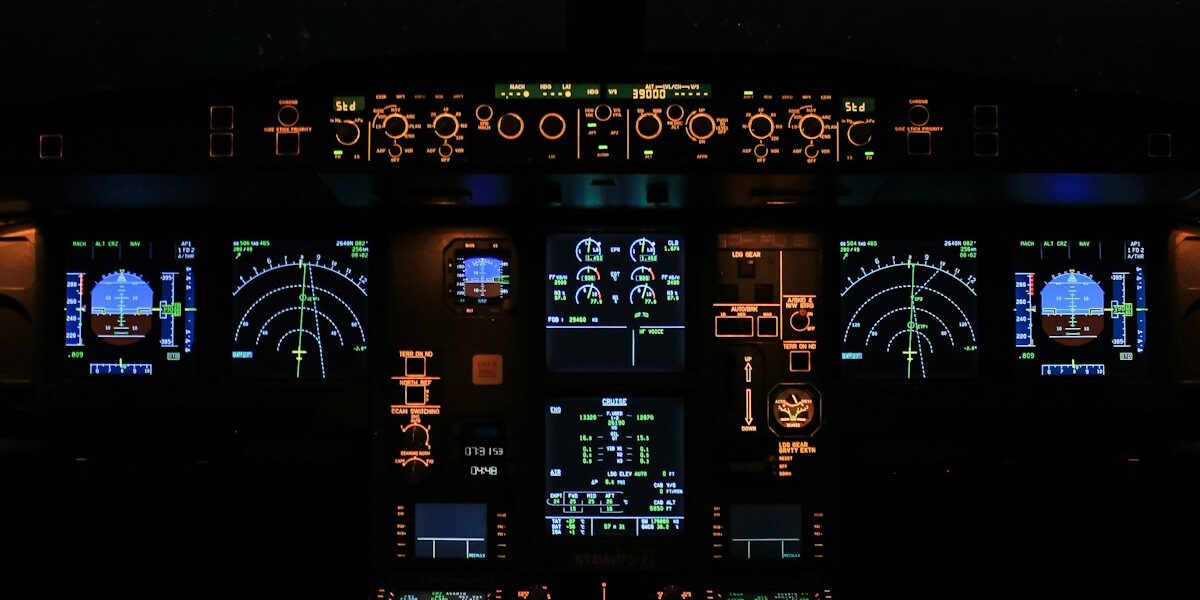
Garmin has released a major software update for its G1000 NXi integrated flight deck, adding new features that improve situational awareness for general aviation pilots. The update represents Garmin’s continued commitment to keeping the industry’s most popular glass cockpit system at the cutting edge.

Understanding the G1000 NXi
The G1000 NXi is the latest evolution of Garmin’s revolutionary integrated flight deck. First introduced in 2003, the original G1000 transformed general aviation by replacing traditional “steam gauge” instruments with large, integrated displays showing flight, navigation, and engine information on bright LCD screens.
The NXi upgrade, introduced in 2016, brought faster processors, higher-resolution displays, and wireless connectivity. It’s now standard equipment on new aircraft from Cessna, Beechcraft, Piper, and Cirrus, with retrofit options for older G1000-equipped planes.
What Makes NXi Different
Compared to the original G1000, the NXi offers dramatically improved processing power—enabling features that simply weren’t possible before. The displays are brighter and crisper, readable in direct sunlight. Boot times dropped from minutes to seconds. And wireless database updates mean pilots no longer need to carry data cards to the airport.
Notable Features in This Update
The software adds predictive wind shear warnings based on nearby pilot reports and expanded synthetic vision capabilities. Pilots can now overlay approach procedures directly on the synthetic vision display, seeing the approach path rendered in 3D against terrain—a feature previously limited to far more expensive business aviation systems.
Enhanced Weather Radar Integration
For aircraft equipped with Garmin’s GWX weather radar, the update brings improved target processing and better integration with the flight displays. Weather returns now show more detail about precipitation intensity, and the system correlates radar data with other weather sources to provide more accurate depictions of storm cells.
A new “Weather Attenuated” warning alerts pilots when heavy precipitation may be blocking radar returns from weather behind the nearest storm—a safety-critical feature that prevents pilots from unknowingly flying toward obscured severe weather.
Improved Terrain Alerting
The update enhances the already-comprehensive terrain awareness system. New algorithms reduce nuisance alerts during normal approaches while improving detection of genuine terrain threats. The system now considers approach procedures when evaluating terrain warnings, understanding that descending toward a runway isn’t the same as descending toward a mountain.
Forward-looking terrain alerts provide earlier warning of obstacles in the flight path. Combined with synthetic vision, pilots get both visual and aural indication of terrain conflicts with time to take corrective action.
Redesigned Traffic Display
Traffic awareness has been a G1000 strength from the beginning, but the update takes it further. The redesigned traffic display shows more aircraft with better symbology distinguishing threat levels. Integration with ADS-B traffic provides precise position and altitude information for equipped aircraft.
A new “Traffic Overlay” option shows nearby aircraft directly on the primary flight display, eliminating the need to look at a separate screen during critical phases of flight. Pilots can see traffic in their normal scan pattern, improving situational awareness without adding workload.
Database Update Improvements
Garmin also improved the system’s database update process, making it faster to load new navigation data. The wireless update feature, using the Garmin Pilot app, now completes database transfers in under ten minutes—down from potentially 30 minutes or more with older methods.
Automatic update reminders alert pilots when new database cycles are available. The system can detect outdated databases and warn before flight, helping ensure pilots always operate with current navigation information. For instrument flight, this currency is legally required and safety-critical.
Synthetic Vision Enhancements
Synthetic vision—Garmin’s computer-generated depiction of the outside world—receives significant improvements. Terrain resolution is higher, showing more detail in mountainous areas. The system now depicts more ground features including lakes, rivers, and major roads, helping pilots correlate what they see on screen with the real world outside.
Approach procedure overlays transform how pilots fly instrument approaches. The published approach path appears as a 3D corridor on the synthetic vision display. Fly down that corridor, and you’re on procedure. Deviate, and it’s visually obvious. This capability dramatically improves approach accuracy and pilot confidence, particularly in challenging weather.
Night Vision Compatibility
For pilots who use night vision goggles, the update includes optimized display modes. Colors and brightness adjust automatically to maintain NVG compatibility while preserving readability of critical flight information. This feature is particularly valuable for search and rescue, law enforcement, and military operations that rely on both glass cockpits and night vision equipment.
Availability and Installation
The update is available now for G1000 NXi-equipped aircraft. Installation takes approximately 45 minutes at authorized service centers, involving software updates to both display units and various line replaceable units throughout the system.
Pilots can check their current software version through the system setup menu. Garmin provides detailed release notes explaining all changes, allowing pilots to understand new features before flying with them.
Upgrade Paths for Older Systems
Pilots with older G1000 systems may be eligible for upgrade programs to the NXi platform, which Garmin says offers improved processing speed and display resolution. The upgrade typically involves replacing the display units while retaining other system components, making it more economical than a complete panel overhaul.
For aircraft owners considering upgrades, the new features in this software release demonstrate Garmin’s ongoing investment in the NXi platform. Upgrading now provides access to current capabilities plus future software improvements as Garmin continues development.
The Bigger Picture
This update exemplifies how modern avionics evolve through software. A decade ago, gaining new cockpit capabilities meant new hardware. Today, the same displays and sensors gain new features through software updates—protecting owner investments while continuously improving safety and capability.
For general aviation, this matters enormously. Aircraft typically remain in service for 30-40 years. Avionics systems that improve through software updates remain relevant throughout that lifespan, rather than becoming obsolete shortly after installation. The G1000 NXi update shows this model working as intended: aircraft flying today gain capabilities that didn’t exist when they were built.



Stay in the loop
Get the latest flighttechtrends updates delivered to your inbox.