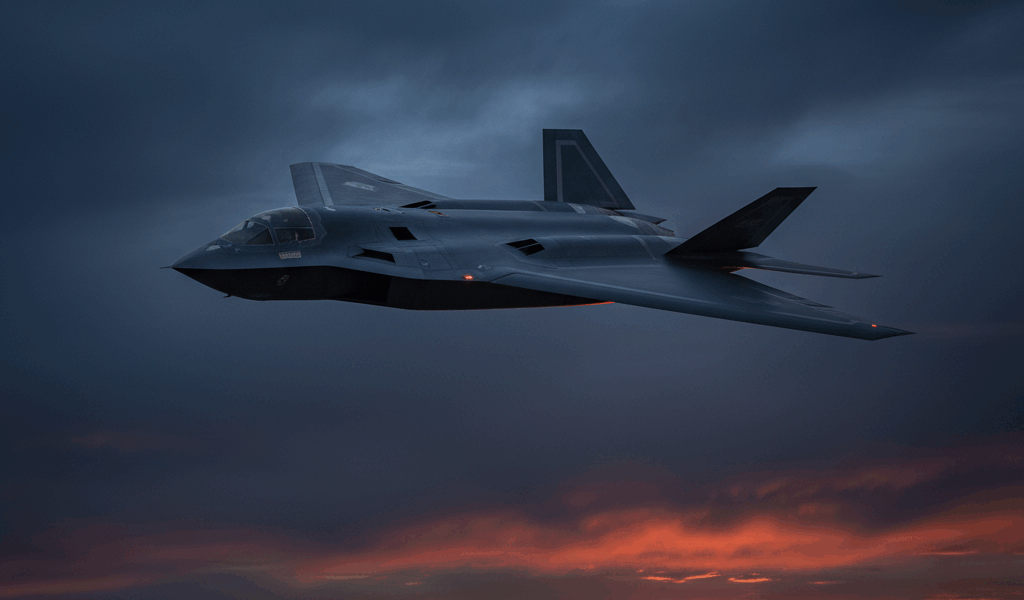
As someone who’s spent years tracking military aviation programs and what’s actually known about the B-21 Raider, I’ve learned everything there is to know about what the first flight revealed — and why it matters strategically. Today, I’ll share it all with you.
On November 10, 2022, the B-21 Raider rolled out of Northrop Grumman’s Palmdale, California facility in front of cameras and a crowd that included the Secretary of Defense and the Air Force Chief of Staff. Seven months later, on November 10, 2023, the B-21 made its first flight. What that flight demonstrated rewrites several assumptions that had accumulated around American stealth bomber technology.
What the B-21 Actually Is
The B-21 Raider is a long-range strategic stealth bomber designed to replace the B-1B Lancer and eventually supplement and succeed the B-2 Spirit. It is built by Northrop Grumman, which also built the B-2, under a contract that has kept most technical details classified. What is publicly known: the aircraft uses a flying wing design broadly similar to the B-2, is designed to carry both conventional and nuclear weapons, and is intended to be capable of long-range penetration of advanced integrated air defense systems — the kind China and Russia have been developing specifically to counter current U.S. stealth aircraft.
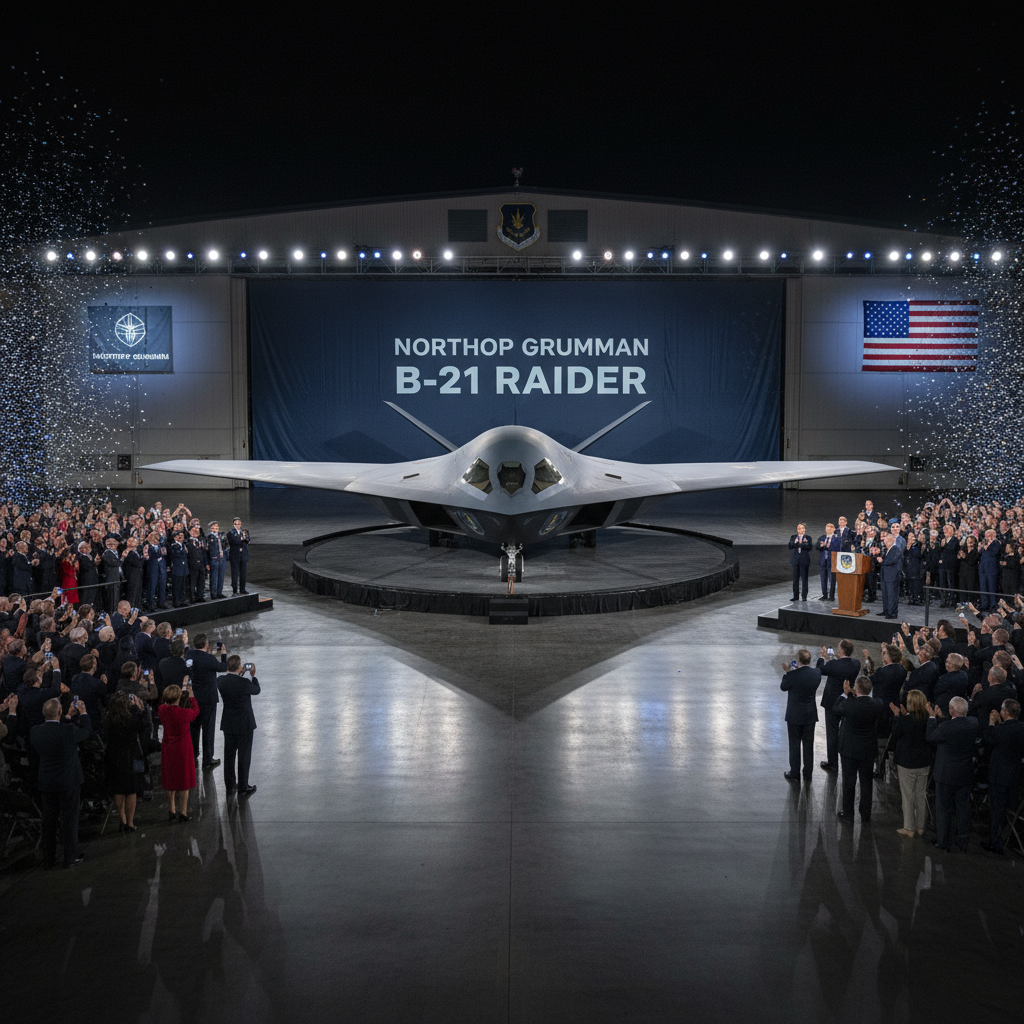
The Air Force’s stated requirement is for at least 100 B-21s. The cost per aircraft has been estimated at around $700 million per airframe, though the full program cost including development is substantially higher. The first operational squadrons are expected to be declared ready in the late 2020s.
What the First Flight Revealed About Stealth
The first flight of the B-21 was notable for what it suggested about the current state of low-observable technology. The B-2, which entered service in the 1990s, required extensive maintenance to maintain its radar-absorbing coating. The B-21 was designed from the outset for improved maintainability of its low-observable features.
The aircraft’s radar cross-section is classified, but the technology generation it represents — built with computational tools and manufacturing processes that didn’t exist when the B-2 was developed — suggests meaningful improvements over its predecessor. The F-35 program demonstrated that stealth technology had advanced significantly since the B-2 era, and the B-21 is expected to reflect another generation of improvement.
The Digital Engineering Approach
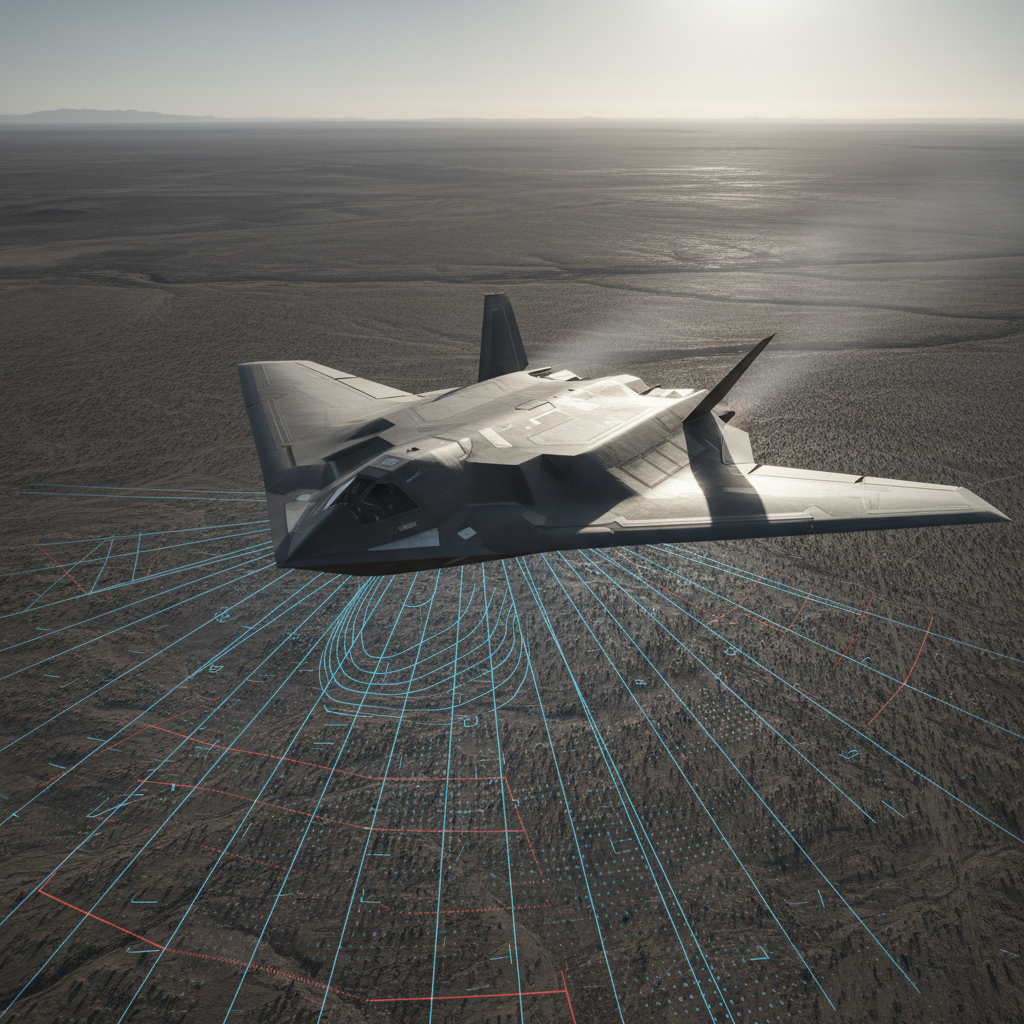
Northrop Grumman and the Air Force pursued a digital engineering approach, building extensive digital models and simulations of the aircraft before significant hardware was fabricated, running thousands of virtual test scenarios to identify failure modes and design flaws before metal was cut.
The B-21 also benefited from lessons learned from the B-2 program, which experienced significant cost overruns and schedule delays, and from the F-35 program, which experienced its own well-documented development challenges. The Air Force and Northrop approached the B-21 with institutional memory about what goes wrong on large, complex programs. Frustrated by the experiences of previous programs, they structured this contract — a cost-type development contract — to incentivize early problem identification rather than late-program surprises.
Nuclear Certification: The Critical Path
The B-21 is being developed as a dual-capable aircraft — able to carry both conventional and nuclear weapons. Nuclear certification involves demonstrating that the aircraft can reliably deliver nuclear weapons under the full range of conditions specified in nuclear employment planning, including the electromagnetic pulse environments associated with nuclear detonations. This certification process is lengthy and adds complexity to the fielding timeline. The B-21 is expected to carry the B61-12 nuclear gravity bomb, which is itself in production after years of development.
I’m apparently one of the few people who finds the certification requirements more interesting than the aircraft’s physical appearance. Achieving initial nuclear capability will follow conventional capability by some period — exactly how long is classified. But the dual-capable requirement is what makes the B-21 a strategic nuclear asset, not just a conventional strike platform.
Why It Changes the Equation
China and Russia have invested heavily in air defense systems specifically designed to counter the B-2. The S-400 and its successors, China’s HQ-9 variants, and the integrated sensor networks that cue them represent a significant threat to aircraft with the B-2’s radar cross-section. The B-21’s first flight suggests the U.S. Air Force will have, within the decade, a penetrating bomber that renders those investments less decisive.
The first flight of the B-21 wasn’t just an aviation milestone. It was a strategic message: American stealth bomber technology has not stagnated, the industrial base to produce it remains viable, and the commitment to maintaining penetrating strike capability is real. That message was received in Beijing and Moscow before the aircraft had flown a single sortie.



Stay in the loop
Get the latest flighttechtrends updates delivered to your inbox.