
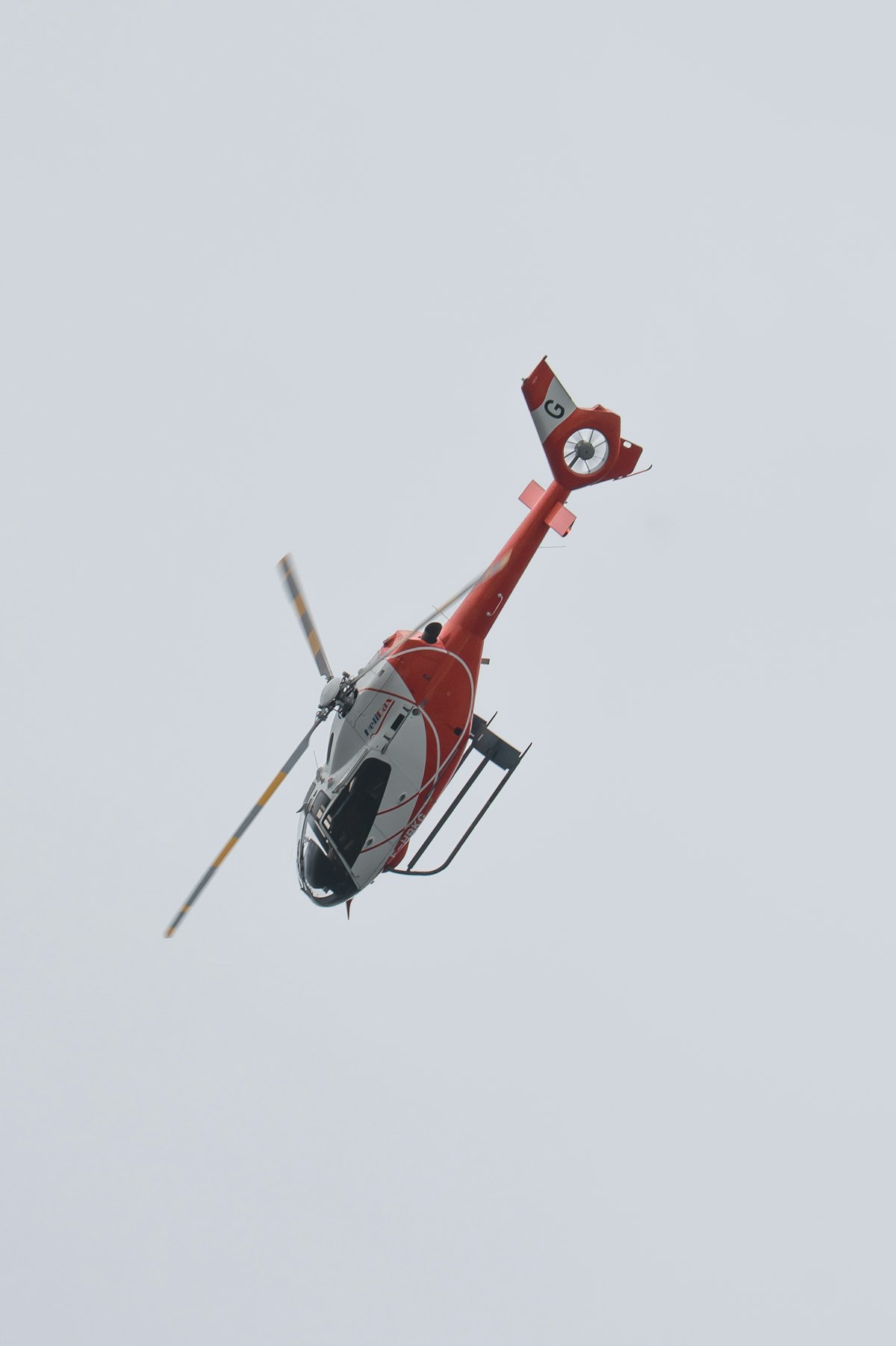
In early 2025, a helicopter lifted off making no sound except rotor blade whir. No jet exhaust, no turbine whine—just the quiet thrum of electric motors powered by hydrogen fuel cells. This wasn’t some lab prototype; it was a certified aircraft performing actual missions. As someone who’s been following this space for years, I can tell you: the zero-emission future has officially begun.
Why Hydrogen for Aviation?
The aviation industry faces an uncomfortable truth: current battery tech cannot power meaningful commercial flights. Batteries are simply too heavy relative to energy content. A Boeing 737’s worth of jet fuel equals batteries weighing over 100 times as much.
Hydrogen offers a way out:
- Energy density: Roughly 3 times more energy per kilogram than jet fuel
- Zero emissions: Fuel cells produce only water vapor
- Scalability: Can be produced from renewable electricity via electrolysis
- Compatibility: Works in both fuel cells and modified turbines
Understanding Hydrogen’s Potential
While hydrogen contains three times more energy per kilogram than jet fuel, it’s much less dense by volume—even compressed to 700 bar or cooled to liquid. Aircraft need larger tanks, partially offsetting the weight advantage.
Net result depends on aircraft size and mission. For short-haul where tank volume isn’t limiting, hydrogen provides clear benefits. For long-haul needing maximum fuel capacity, the volume penalty becomes significant. This physics drives hydrogen toward regional applications first.
The First Hydrogen Helicopters
Several companies have now flown hydrogen-powered helicopters:
Piasecki Aircraft demonstrated hydrogen fuel cell helicopters through its HyPoint partnership, proving viability for vertical lift.
Airbus Helicopters is developing hydrogen systems as part of the ZEROe initiative, with demonstrators informing larger aircraft development.
Alakai Technologies developed the Skai hydrogen fuel cell air taxi for urban mobility.
How Hydrogen Fuel Cells Work in Aircraft
A hydrogen fuel cell aircraft works fundamentally differently from combustion engines:
- Storage: Hydrogen in high-pressure tanks (typically 700 bar) or cryogenic liquid
- Fuel cell: Hydrogen combines with oxygen, generating electricity through electrochemical reaction
- Electric motors: Electricity powers high-efficiency motors
- Propulsion: Motors drive rotors or propellers
- Byproduct: Only emission is pure water vapor
This system is more efficient—fuel cells convert 50-60% of hydrogen’s energy to useful work, compared to 25-40% for turbines.
Fuel Cell Technology Details
Proton Exchange Membrane (PEM) fuel cells dominate aviation applications. They operate at low temperatures (80-100°C), start quickly, and respond rapidly—essential for aircraft. Current aerospace fuel cells hit over 3 kW/kg, with development targeting 5+ kW/kg. These improvements plus better storage steadily expand what missions hydrogen can serve.
Advantages for Helicopter Operations
Helicopters are particularly suited for early hydrogen adoption:
- Shorter ranges: Most missions under 200 miles—within current hydrogen storage tech
- Lower speeds: Hydrogen systems work better at helicopter speeds
- Noise-sensitive operations: Electric drive is dramatically quieter for urban and emergency services
- Hospital heliports: Zero emissions critical near air intakes
- VIP transport: Quiet, smooth operation enhances passenger experience
The Infrastructure Challenge
Hydrogen aircraft need infrastructure that doesn’t widely exist:
Production: Green hydrogen (from renewable electricity) currently costs $4-8 per kilogram. Needs to drop to $2 or below for aviation competitiveness.
Distribution: Hydrogen is difficult to transport versus jet fuel. New pipelines, tanker trucks, and airport storage needed.
Refueling: Aircraft systems must be developed. Low density means larger volumes than jet fuel.
Safety systems: Hydrogen is highly flammable. Airport and aircraft safety need updating.
Regulatory Progress
Aviation regulators are actively developing frameworks:
- EASA has published special conditions for hydrogen fuel cell systems
- FAA is developing certification pathways
- Industry working groups are establishing safety standards
The regulatory environment is supportive—authorities recognize net-zero aviation requires technologies like hydrogen.
The Path from Helicopters to Airliners
Hydrogen helicopters are stepping stones:
2025-2030: Hydrogen helicopters and small fixed-wing enter commercial service. Limited range, specialized applications.
2030-2035: Regional aircraft (50-100 seats) with hydrogen begin certification. Routes under 1,000 miles.
2035-2040: Larger aircraft with hydrogen turbines enter development. Medium-haul routes potentially covered.
2040+: Widebody concepts emerge, though long-haul remains challenging.
Investment and Momentum
Billions are flowing in:
- Airbus committed to hydrogen commercial aircraft by 2035
- Universal Hydrogen raised hundreds of millions to retrofit regional aircraft
- Governments worldwide offer incentives for zero-emission development
- Airlines have placed contingent orders
The Zero-Emission Promise
That quiet helicopter on hydrogen power represents something profound: proof that zero-emission flight is technically achievable. The path from first flight to widespread adoption will take decades, but the destination is now visible.
Aviation’s fossil fuel transition won’t happen overnight. But with hydrogen helicopters flying today, the zero-emission future has stopped being vision and started becoming reality.



Stay in the loop
Get the latest flighttechtrends updates delivered to your inbox.