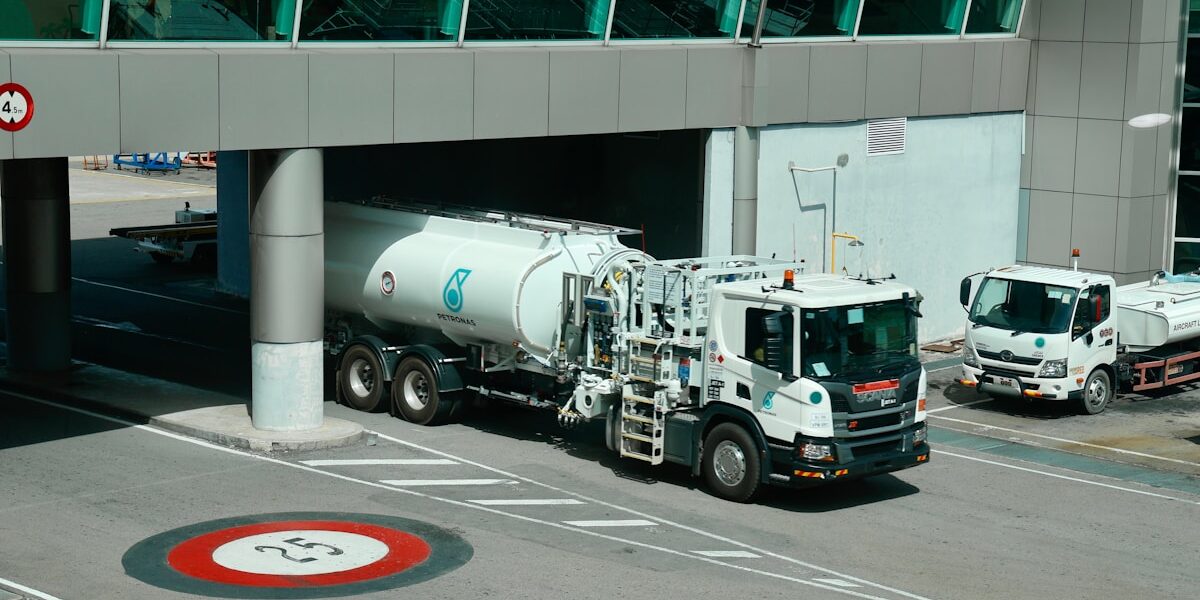
Jet fuel prices dropped 18% from their 2024 peak, giving airlines some relief from the elevated costs that have been squeezing margins. New refining capacity and stabilizing crude markets finally did their job.
Market Dynamics
Jet-A currently trades at $2.45 per gallon, down from $2.98 at last year’s peak. New Gulf Coast refinery capacity eased the supply constraints that drove prices up following pandemic-era closures.
Airlines typically hedge fuel purchases months out, so the full benefit shows up gradually in financials. Delta and Southwest, with aggressive hedging programs, may see benefits last through late 2026.
Fare Implications
Don’t expect cheaper tickets automatically—that’s not how airlines work. Carriers have indicated they’ll use savings to restore profitability rather than cut fares, especially on routes with limited competition. Budget carrier pressure may force some reductions on competitive routes, though.
Analysts expect domestic fares to stabilize after two years of increases. International routes, where fuel makes up a larger slice of operating costs, may see more meaningful relief.
Sustainable Fuel Considerations
Here’s the tricky part: the price drop widens the gap between conventional jet fuel and sustainable aviation fuel, which still costs 3-5 times more. Airlines committed to emissions reductions face tough decisions about buying expensive SAF when conventional alternatives keep getting cheaper.
Industry groups continue pushing for SAF production incentives that would narrow the price gap and accelerate sustainability goals. Without them, early adopters get penalized—not exactly the best way to encourage change.




Stay in the loop
Get the latest flighttechtrends updates delivered to your inbox.