Today, I will share it all with you.
JetBlue just crossed a finish line most airlines haven’t even approached: every single Airbus in their fleet now has high-speed WiFi. And unlike Delta or United, they’re not charging you extra to use it.
The Tech Under the Radome
JetBlue partnered with Viasat for Ka-band satellite connectivity. In plain English: faster frequencies, better throughput. Passengers are seeing 12-15 Mbps download speeds — not blazing by ground standards, but solid enough to stream Netflix or hop on a video call without everyone’s connection turning to mush.
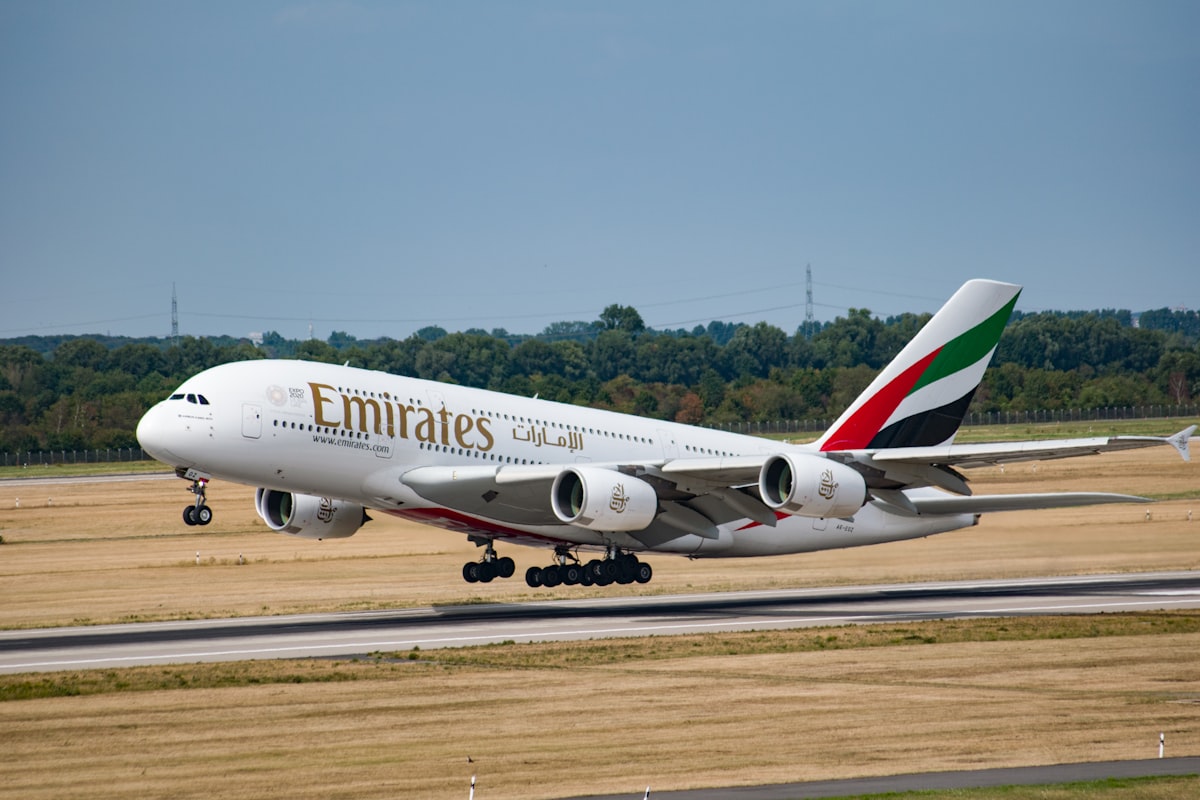
That dome-shaped bump on the fuselage? That’s the antenna, constantly tracking satellites overhead whether you’re crossing Kansas or the Atlantic.
Understanding Ka-Band
Ka-band operates at higher frequencies (26.5-40 GHz) than the older Ku-band systems (12-18 GHz) many airlines still run. Higher frequencies mean more bandwidth, which translates directly to faster speeds for passengers. The trade-off is slightly higher susceptibility to rain fade — signal degradation during heavy precipitation — but modern systems compensate with adaptive coding that maintains connections in all but the worst weather.
Viasat’s ViaSat-3 constellation promises even greater capacity. Each satellite covers a full hemisphere with over 1 terabit per second. When those birds are fully operational, in-flight speeds could genuinely approach home broadband levels.
Which Planes Got It
All of them. The whole Airbus lineup:
- A321s (the workhorses)
- A321neos (the newer, quieter ones)
- A220-300s (the regional routes)
- A321LRs (the transatlantic birds heading to Europe)
That’s 280-plus aircraft, all connected. No lottery wondering whether your particular plane has WiFi or is stuck with some ancient Gogo system from 2012.
The Installation Challenge
Retrofitting an entire fleet with satellite WiFi isn’t trivial. Each installation requires cutting a hole in the fuselage for the antenna mount, running cables throughout the aircraft, installing access points, and conducting extensive testing. An aircraft is typically out of service for 3-5 days per installation.
JetBlue completed this rollout while maintaining normal flight schedules, rotating aircraft through modification during scheduled maintenance checks. The logistics alone were impressive — coordinating operations, maintenance, and installation teams across 280+ aircraft while keeping the schedule running.
Why Free Matters
Here’s where JetBlue actually differentiates itself. American charges $10-30 depending on route. Delta gives it free to some passengers but not others. United has a complicated tier system that requires a decoder ring to understand.
JetBlue: connect to Fly-Fi, you’re online. No credit card, no loyalty status check, no fare class discrimination. Sit in the last row middle seat on the cheapest ticket and you get the same WiFi as the guy in first class.
They figure happy connected passengers become repeat customers. Based on their satisfaction scores, they might be onto something.
The Economics
How does free WiFi make business sense? Customer acquisition and retention — passengers who value connectivity choose JetBlue over competitors charging for it. Connected passengers also browse, shop, and engage with entertainment that generates alternative revenue. And in an industry where most carriers offer nearly identical products, free WiFi creates a memorable point of difference. People remember which airline treated them well.
Real-World Performance
Independent testers have benchmarked JetBlue’s system against competitors, and it performs well. Ka-band beats older Ku-band consistently. Latency runs 600-800 milliseconds — fine for browsing, Zoom, streaming. You won’t be playing competitive Fortnite, but you weren’t going to do that anyway.
Full flight with everyone connected? Speeds dip during peak demand, but the system handles simultaneous connections better than you’d expect.
Comparing Systems
Not all airplane WiFi is created equal. Air-to-ground systems connect to cell towers below, offering limited bandwidth shared across the entire aircraft. They also fail over water and remote areas. Satellite systems like Viasat work everywhere. Starlink’s newer LEO constellation promises even lower latency. Some airlines are already testing Starlink, creating competitive pressure that benefits passengers regardless of carrier.
The Competitive Pressure
JetBlue completing this rollout puts heat on legacy carriers. WiFi isn’t a nice-to-have anymore — passengers assume it. When one airline offers it free while others charge, customers notice and remember.
Delta and United have announced speed improvements but haven’t committed to free across all fare classes. Southwest deserves credit for offering free WiFi for years, though their older systems can’t match JetBlue’s speeds. American still treats WiFi as a paid premium service.
What’s Coming Next
Satellite providers promise next-gen systems pushing 100+ Mbps to individual aircraft. LEO constellations like Starlink and Amazon’s Project Kuiper are changing the economics with more satellites, more capacity, lower latency. Within a few years, inflight WiFi could genuinely match what passengers get at home.
JetBlue’s rollout isn’t just about today’s connectivity. It’s positioning them for a future where seamless internet from takeoff to landing is the baseline expectation. Other carriers will need to match that standard or find a good explanation for why they can’t.


Stay in the loop
Get the latest flighttechtrends updates delivered to your inbox.