SpaceX’s Starlink Aviation service has expanded to 15 new airline partners, bringing high-speed internet connectivity to hundreds of additional aircraft worldwide. The rapid adoption signals a fundamental shift in how airlines approach inflight connectivity—and what passengers can expect when flying.

Why Starlink Changes Everything
Traditional inflight WiFi relies on geostationary satellites orbiting 22,000 miles above Earth. At that distance, signals take roughly 600 milliseconds for a round trip—noticeable lag that makes video calls frustrating and real-time applications impractical.
Starlink’s constellation orbits just 340 miles up. Round-trip latency drops to 20-40 milliseconds—comparable to ground-based internet. This isn’t incremental improvement; it’s a fundamental change that makes inflight internet feel like being on the ground.
Technical Specifications
The Starlink Aviation system delivers speeds up to 350 Mbps to each aircraft, enabling passengers to stream video, attend video calls, and browse without restrictions. That’s enough bandwidth for an entire plane of passengers to stream simultaneously—something impossible with older satellite systems.
Each aircraft receives dedicated bandwidth allocation, ensuring consistent performance regardless of passenger count. The system automatically switches between Starlink satellites as the aircraft moves, maintaining connection throughout the flight. Handoffs between satellites happen seamlessly, typically undetectable to users.
Airline Adoption Growing
Airlines report strong passenger satisfaction with Starlink compared to traditional satellite internet systems. The lower latency makes real-time applications practical at cruising altitude for the first time. Video conferences that previously stuttered and dropped now work reliably.
Installation requires a low-profile antenna that adds minimal drag, addressing a key concern for fuel-conscious operators. The Starlink “Aero” terminal is significantly smaller and lighter than traditional satellite antennas, reducing both installation complexity and ongoing fuel costs.
Which Airlines Are On Board
The 15 new partners join early adopters like JSX and Hawaiian Airlines. Major carriers including Delta, United, and several international airlines have signed agreements or begun testing. The rapid adoption reflects both passenger demand for better connectivity and competitive pressure as early adopters gain marketing advantages.
Regional carriers see particular value in Starlink. These airlines often serve routes where ground-based connectivity is limited, and their passengers increasingly expect WiFi as standard. Starlink’s satellite-based approach provides consistent service regardless of geography.
The Installation Process
Adding Starlink to an aircraft involves mounting the low-profile antenna on the fuselage, running power and data cables to avionics bays, and installing the onboard network equipment. The process typically takes 2-3 days per aircraft—faster than traditional satellite installations that might require a week.
SpaceX has worked with aviation authorities worldwide to certify the system for commercial operations. Supplemental Type Certificates (STCs) are now available for most common commercial aircraft types, streamlining the approval process for airlines.
Antenna Design Innovation
The Starlink Aero antenna uses electronically steered phased array technology—no moving parts to wear out or maintain. Traditional satellite antennas use mechanical gimbals that track satellites as aircraft move, creating reliability concerns over time. Phased arrays steer the beam electronically, offering better reliability and faster satellite switching.
The antenna’s low profile—just inches tall—minimizes aerodynamic drag. Airlines estimate fuel cost increases of less than 1% from the installation, a significant improvement over bulkier legacy systems that could add 2-3% to fuel consumption.
Passenger Experience Transformation
Several airlines now offer complimentary Starlink access to premium cabin passengers, with paid options for economy travelers. Early feedback suggests passengers notice the difference immediately. Video calls that were previously impossible now work reliably. Streaming services load instantly. The experience approaches what passengers expect from home broadband.
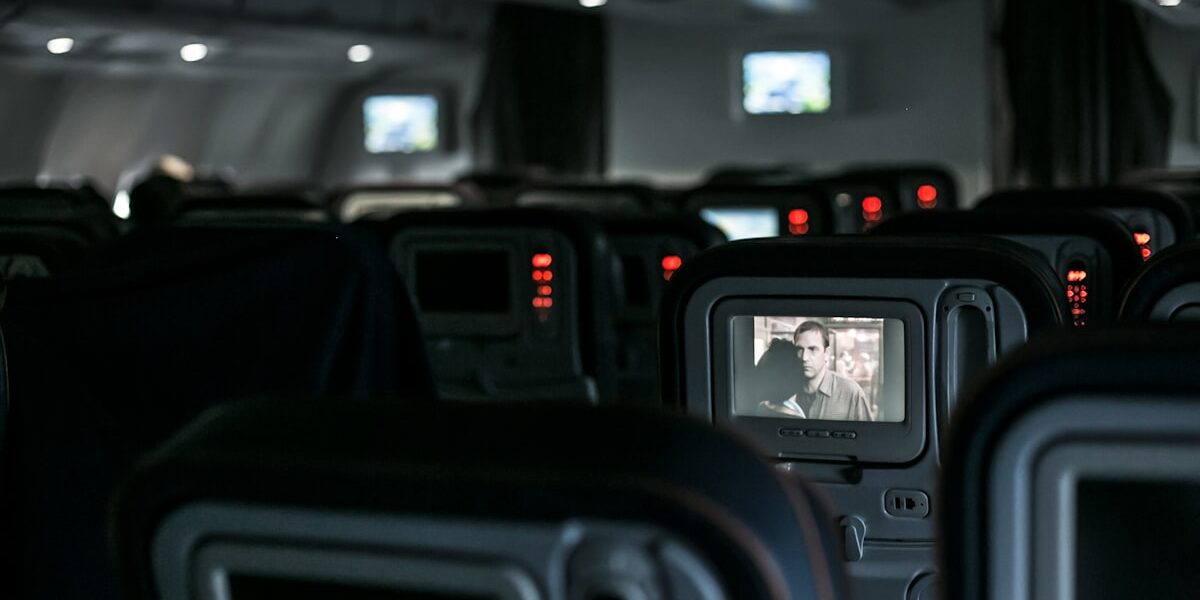
Airlines are rethinking their entertainment strategies accordingly. When passengers can stream any content they want from their own devices, the value of seatback entertainment systems decreases. Some carriers are considering eliminating seatback screens entirely on Starlink-equipped aircraft, saving weight and maintenance costs while letting passengers use their preferred devices.
Business Travel Implications
For business travelers, reliable inflight connectivity transforms flight time from downtime to productive work time. Transcontinental and international flights become extensions of the office. Video meetings, document collaboration, and real-time communication become possible at 35,000 feet.
Airlines see opportunity in this transformation. If business travelers can work effectively during flights, the time spent traveling becomes less of an obstacle. This could increase willingness to travel and preference for airlines offering the best connectivity.
The Competitive Landscape
Starlink isn’t the only option for next-generation inflight connectivity. OneWeb, now merged with Eutelsat, offers a competing low-earth orbit solution. Amazon’s Project Kuiper promises to enter the market soon. Traditional providers like Viasat and Intelsat are launching new high-capacity geostationary satellites.
This competition benefits airlines and passengers. Prices are falling while capabilities improve. Airlines that delayed WiFi upgrades now have multiple compelling options, and the technology gap between inflight and ground connectivity continues closing.
Looking Ahead
SpaceX continues launching Starlink satellites, expanding constellation capacity. The company plans to offer even higher speeds as the network grows. Airlines adopting Starlink today are positioning themselves for these future improvements—the same hardware will benefit from increased satellite capacity.
For passengers, the message is clear: inflight internet is finally becoming good enough to stop complaining about. The days of paying $20 for WiFi that barely loads email are ending. Starlink and its competitors are making real connectivity at cruising altitude a reality, not just a marketing promise.




Stay in the loop
Get the latest flighttechtrends updates delivered to your inbox.