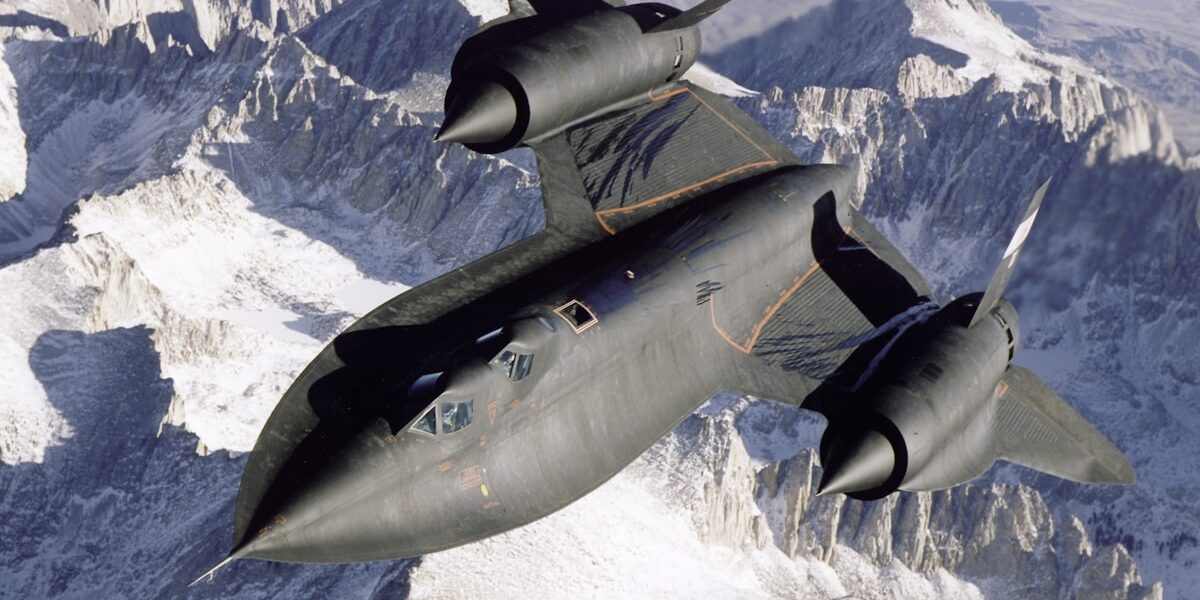
Twenty-one years after Concorde’s final flight, Boom Supersonic’s Overture promises to cross the Atlantic in 3.5 hours—less than half current flight times. As someone who’s tracked this space for years, I can tell you this won’t be a Concorde replay. Boom has learned from history, and Overture is designed to solve the problems that doomed its predecessor.
Concorde’s Legacy
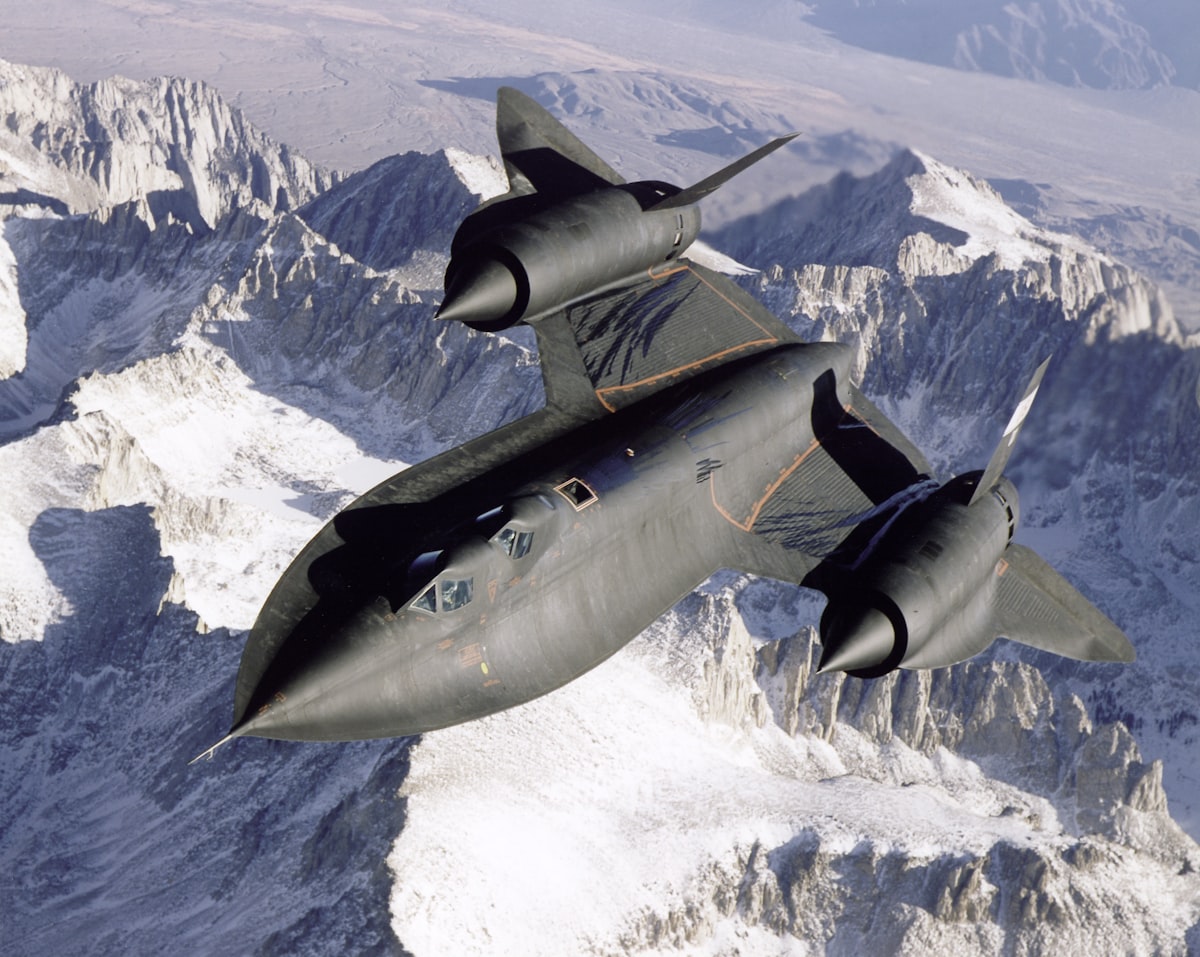
Concorde was a technological marvel that flew commercially for 27 years (1976-2003). It crossed the Atlantic in just over 3 hours at Mach 2.04. But it ultimately failed as a business proposition:
- Fuel consumption: Concorde burned roughly three times more fuel per passenger than subsonic jets
- Sonic boom: Banned from overland supersonic flight in most countries
- Operating costs: High maintenance and fuel costs meant astronomical ticket prices
- Small capacity: Just 100 seats limited revenue potential
- Aging technology: 1960s design with no economical upgrade path
When Air France and British Airways retired their Concorde fleets in 2003, supersonic travel became memory.
Lessons from the Concorde Era
The Concorde experience taught crucial lessons about supersonic economics. Speed alone isn’t enough—operating costs must compete with alternatives. Business travelers pay premiums for time savings, but that premium has limits.
Environmental concerns matter more than they did in the 1970s. Any new supersonic transport must address emissions from the start. And supersonic aircraft need routes where time savings justify the premium. Concorde succeeded on transatlantic routes where passengers saved meaningful hours. Shorter routes don’t provide enough advantage.
Boom’s Different Approach
Boom Supersonic, founded in 2014, designed Overture to address every one of Concorde’s weaknesses:
Efficiency first: Modern high-bypass turbofans optimized for supersonic cruise, dramatically better fuel efficiency than Concorde’s afterburner-equipped turbojets.
Sustainable fuel: Designed for 100% SAF, potentially achieving net-zero carbon emissions.
Right-sized: 65-80 passengers—smaller than Concorde but sized for profitable operations on premium routes.
Modern manufacturing: Carbon fiber composites and automated production keep costs manageable.
Boom-reducing design: Optimizations may enable reduced sonic boom impact.
The Technology Stack
Overture incorporates five decades of aerospace advancement. Carbon fiber composites reduce weight while maintaining strength. Advanced CFD enabled aerodynamic optimization impossible with 1960s tech. Fly-by-wire improves handling and reduces pilot workload.
Engine selection proved challenging. Initially Boom planned modified existing engines. After evaluating Rolls-Royce and others, they decided on purpose-built engines through Symphony, a new propulsion company. Added risk, but ensures engines optimized for supersonic cruise efficiency.
Overture Specifications
Current design specs:
- Speed: Mach 1.7 (approximately 1,300 mph)
- Range: 4,250 nautical miles
- Passengers: 65-80 in premium configurations
- Crew: Standard two-pilot flight deck
- Length: 205 feet
- Engines: Four custom-designed turbofans (under development)
New York to London in 3.5 hours. LA to Tokyo in 6 hours. Miami to São Paulo in 5 hours. That’s the promise.
The Economics Must Work
Boom’s fundamental insight: supersonic travel failed not because of physics but economics. Concorde tickets cost $12,000 or more—accessible only to ultra-wealthy and expense-account executives.
Overture targets business class economics:
- Operating costs competitive with current business class
- Ticket prices similar to today’s premium cabin fares
- Routes where time savings justify premium pricing
- Fleet economics that work for airlines
Ambitious but not impossible. Modern materials and engines are dramatically more efficient than what Concorde had.
Revenue Model Analysis
Boom’s case relies on assumptions worth examining. They project time-sensitive business travelers will pay 75% premiums for half the travel time. Market research suggests approximately 500 million annual passengers fly routes where supersonic makes sense—enough to support hundreds of Overture aircraft.
Premium cabin focus is strategic. Unlike economy, business class demand is relatively price-insensitive but extremely time-sensitive. Executives value hours saved far more than fare differences. If Overture achieves Concorde-like speeds at business class prices, demand should follow.
Airline Interest
Major airlines have placed significant orders:
- United Airlines: 15 firm orders with option for 35 more
- American Airlines: 20 firm orders with option for 40 more
- Japan Airlines: 20 aircraft pre-ordered
These represent billions of dollars and signal genuine airline belief supersonic can work this time.
The Sonic Boom Problem
Concorde could only fly supersonic over water because sonic booms disturbed people below. This limited routes to transoceanic flights, excluding lucrative transcontinental US markets.
NASA and manufacturers are developing “low-boom” technology. The X-59 experimental aircraft tests designs producing soft thumps rather than startling booms.
Overture will initially be restricted to oceanic routes, but future variants might incorporate low-boom tech as regulations evolve.
Development Progress
Boom’s methodical development path:
XB-1 demonstrator: One-third scale aircraft to prove aerodynamic concepts. Rolled out in 2020, test flights ongoing.
Overture design: Production design finalized in 2022 after extensive testing.
Engine development: Custom engines through partner Symphony.
Manufacturing facility: New North Carolina factory will produce Overture.
Certification: Working with FAA, targeting approval by late 2020s.
Challenges Ahead
Significant hurdles remain:
- Engine development: Creating a new supersonic engine is enormously difficult and expensive
- Certification: No supersonic transport certified in decades; regulators are cautious
- SAF availability: Sustainable fuel production must scale dramatically
- Operating costs: Actual costs unknown until commercial flights begin
- Market demand: Will enough passengers pay premiums for time savings?
3.5 Hours to London
If Boom succeeds, the impact will be profound. Same-day roundtrips between New York and London become possible. Business executives could have breakfast in Miami and dinner in São Paulo. The Pacific becomes crossable in a working day.
Concorde proved supersonic passenger flight was technically possible. Overture aims to prove commercial viability. The outcome determines whether the next generation experiences supersonic as routine or whether it remains a brief, beautiful anomaly.
Either way, we may soon answer the question that’s lingered for two decades: will we ever cross the Atlantic in 3.5 hours again?


Stay in the loop
Get the latest flighttechtrends updates delivered to your inbox.