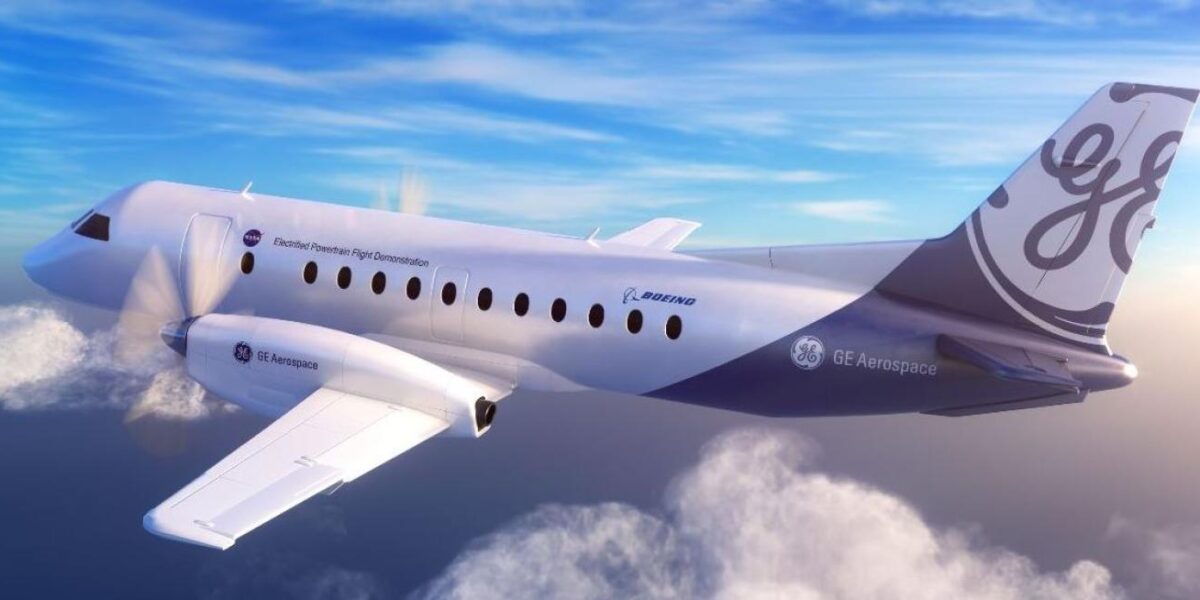
The aviation industry stands at a technological crossroads. Electric and hybrid-electric propulsion systems are advancing from experimental curiosities to certified, revenue-generating aircraft. This comprehensive guide examines where the technology stands today, what challenges remain, and when passengers might realistically expect to fly on battery-powered aircraft.
Understanding Electric Aircraft Propulsion
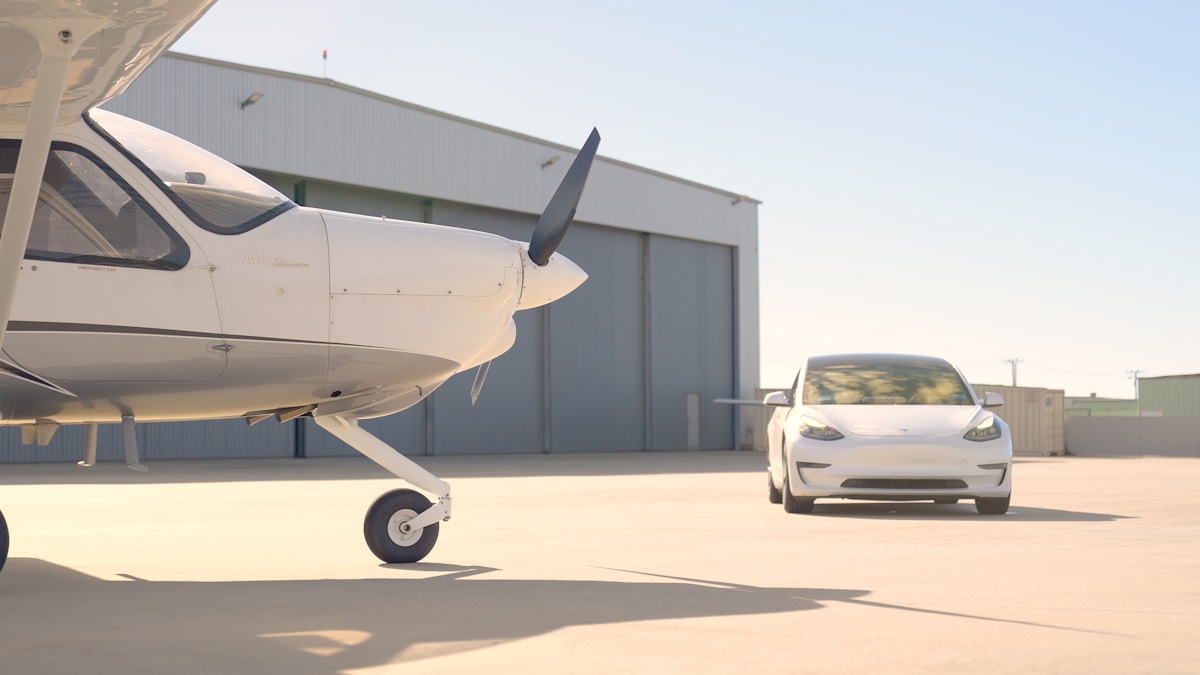
Electric aircraft use battery packs to power electric motors that drive propellers or ducted fans. Unlike internal combustion engines, electric motors deliver instant torque, operate more quietly, and require significantly less maintenance. These characteristics make electric propulsion particularly attractive for short-haul routes and urban air mobility applications.
The fundamental challenge lies in energy density. Current lithium-ion batteries store roughly 250 watt-hours per kilogram. Aviation fuel contains approximately 12,000 watt-hours per kilogram. This 48:1 disadvantage explains why early electric aircraft are limited to short ranges and small payloads.
Current State of Battery Technology
Battery manufacturers are pursuing several paths to improve energy density. Solid-state batteries promise densities approaching 500 Wh/kg within five years. Lithium-sulfur chemistry could theoretically reach 600 Wh/kg, though cycle life remains problematic.
For aviation applications, batteries must also meet stringent safety requirements. Thermal runaway—where a damaged cell triggers cascading failures—poses particular concerns in flight. Manufacturers are developing battery management systems that can isolate failing cells and maintain safe operation.
Weight considerations extend beyond the batteries themselves. Electric motors, inverters, and cooling systems add mass that offsets some efficiency gains. Current all-electric designs work best for aircraft under 9 passengers flying routes under 200 miles.
Certified Electric Aircraft
The Pipistrel Velis Electro became the first type-certified electric aircraft in 2020. This two-seat trainer operates for approximately 50 minutes on a single charge, making it suitable for flight school traffic patterns and short cross-country flights.
Several manufacturers have aircraft in advanced certification stages. Eviation’s Alice, a nine-passenger commuter aircraft, has completed initial flight testing and targets 2027 entry into service. Heart Aerospace is developing a 30-seat regional aircraft with a 200-kilometer range.
Hybrid-Electric Approaches
Recognizing battery limitations, many manufacturers are pursuing hybrid-electric designs. These aircraft use conventional turbine engines to generate electricity that powers distributed electric motors.
The hybrid approach offers several advantages. Turbine generators operate at constant, optimal RPM regardless of flight phase, improving efficiency. Electric motors can be positioned for maximum aerodynamic benefit without the mechanical complexity of drive shafts. Redundancy improves because multiple smaller motors replace single large engines.
Ampaire has flight-tested a hybrid-electric Cessna 337 modification. United Airlines has ordered 100 of Ampaire’s upgraded 19-seat aircraft for regional routes. The hybrid configuration reduces fuel consumption by approximately 40% compared to conventional turboprops.
Infrastructure Requirements
Widespread electric aircraft adoption requires substantial infrastructure investment. Airports need high-capacity electrical connections capable of rapid charging. A nine-passenger aircraft might require 1 megawatt charging capability to achieve acceptable turnaround times.
Battery swapping offers an alternative to fast charging. Rather than waiting for onboard batteries to recharge, ground crews exchange depleted packs for fresh ones. This approach requires standardized battery formats and significant inventory at each airport.
Grid capacity presents another consideration. An airport handling 50 daily electric aircraft departures might need 10-15 megawatts of additional electrical supply—equivalent to a small town. Renewable energy integration becomes essential for realizing the environmental benefits of electric aviation.
Regulatory Pathway
Aviation regulators are developing new certification standards for electric propulsion. The FAA’s Part 33 rules, written for piston and turbine engines, don’t adequately address electric motors and battery systems.
New standards must address battery fire containment, continued safe flight after battery failures, and electromagnetic interference from high-power inverters. The certification process for novel propulsion systems typically requires 3-5 years, creating a predictable timeline for new electric aircraft types.
Pilot training requirements are evolving alongside the technology. Electric aircraft handle differently than conventional types, with instant torque response and different emergency procedures. Flight schools are developing curricula specific to electric operations.
Economic Considerations
Electric aircraft promise substantially lower operating costs once acquisition prices normalize. Electricity costs roughly one-quarter of aviation fuel on an energy-equivalent basis. Electric motors require overhaul intervals measured in tens of thousands of hours, compared to thousands for turbine engines.
The business case strengthens on short routes where climb and descent phases dominate. Electric motors maintain efficiency across power settings, while turbine engines optimize for cruise conditions.
Early operators are targeting routes between 50 and 150 miles—too short for efficient jet operations but long enough to justify avoiding ground transportation. Island communities and mountain regions with limited road access represent natural early markets.
Environmental Impact
Electric aircraft eliminate direct emissions during flight. However, lifecycle environmental impact depends heavily on electricity sources. Aircraft charged from coal-fired grids may produce more total emissions than efficient turboprops.
The aviation industry has committed to net-zero emissions by 2050. Electric propulsion contributes to this goal most effectively when combined with renewable energy infrastructure. Some manufacturers are exploring on-airport solar installations sized to offset aircraft charging loads.
Noise reduction provides immediate environmental benefits. Electric motors operate 60-70% quieter than equivalent piston engines. This characteristic enables operations at noise-restricted airports and reduces community opposition to expanded aviation activity.
Timeline Projections
Based on current development trajectories, passengers can expect limited electric commercial service beginning around 2027-2028. Initial routes will connect small airports within 150 miles of each other, likely in regions with high electricity availability and environmental priorities.
Hybrid-electric regional aircraft serving 30-50 passengers should reach certification by 2030-2032. These aircraft will provide the first opportunities for mainstream passengers to experience electric-assisted flight on conventional route networks.
Full-electric aircraft capable of carrying 100+ passengers on routes exceeding 500 miles likely remain beyond 2040, awaiting battery technology that doesn’t yet exist outside laboratory settings.
Investment and Development Activity
Private investment in electric aviation has exceeded $10 billion since 2020. Major aerospace manufacturers including Boeing, Airbus, and Embraer have dedicated electric propulsion development programs. Traditional engine manufacturers are repositioning for a future where their products may become auxiliary rather than primary power sources.
Startup activity remains intense despite market corrections affecting the broader technology sector. Over 200 companies are developing electric or hybrid aircraft, though consolidation appears inevitable as capital becomes more selective.
Conclusion
Electric aviation is transitioning from speculation to reality. Certified aircraft exist today, and a clear pathway leads to broader adoption over the coming decade. While battery limitations constrain near-term applications, continuous improvement in energy storage technology steadily expands the addressable market.
For aviation technology professionals, this transition creates opportunities across the industry—from battery development and motor design to charging infrastructure and operational procedures. The skills required to support electric aircraft differ substantially from those needed for conventional types, suggesting significant workforce development needs.
The transformation won’t happen overnight, but it is happening. Electric flight represents perhaps the most significant propulsion change since the jet engine replaced pistons in commercial aviation 70 years ago.




Stay in the loop
Get the latest flighttechtrends updates delivered to your inbox.