The Rise of Urban Air Mobility
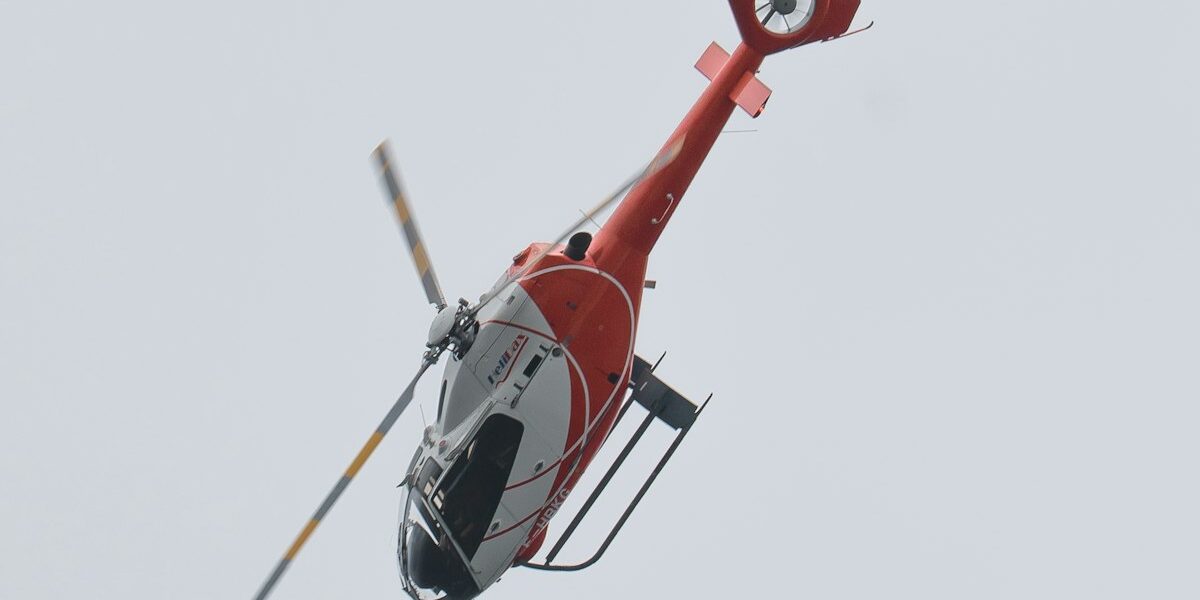
Urban Air Mobility (UAM) represents a paradigm shift in how people and goods move through metropolitan areas. Electric vertical takeoff and landing (eVTOL) aircraft, autonomous flight systems, and advanced air traffic management are converging to create a new transportation ecosystem above our cities. What was once science fiction is rapidly becoming engineering reality as dozens of companies race to certify aircraft and launch commercial operations.
The UAM concept addresses growing urban congestion by utilizing the third dimension for transportation. By bypassing surface traffic entirely, air taxis and cargo drones can dramatically reduce travel times within metropolitan areas while providing environmental benefits through electric propulsion.
eVTOL Aircraft Development
Electric vertical takeoff and landing aircraft combine the convenience of helicopters with the efficiency and lower noise of fixed-wing aircraft. Most designs employ multiple electric motors driving propellers or rotors, with battery systems providing power. During vertical flight, the aircraft operates like a multicopter, transitioning to more efficient wing-borne flight for cruise.
Major Players in the Market
Joby Aviation, Archer Aviation, Lilium, and Wisk are among the leading companies developing eVTOL aircraft. Each has taken a different approach to aircraft configuration, with designs ranging from tilt-rotor concepts to separate lift and cruise propulsion systems. Several of these aircraft are now in advanced flight testing, with FAA type certification expected for multiple designs in the coming years.
Certification Challenges
Certifying novel electric aircraft presents unique challenges for aviation regulators. The FAA has established special conditions and means of compliance for eVTOL aircraft, addressing electric propulsion systems, distributed electric propulsion, and autonomous flight capabilities. European regulators have developed similar frameworks through EASA.
Infrastructure Requirements
Urban air mobility requires more than just aircraft. Vertiports, specialized facilities for eVTOL operations, must be developed throughout metropolitan areas to provide takeoff and landing sites, passenger processing, and aircraft charging. Integrating these facilities into existing urban environments while meeting noise, safety, and community acceptance requirements presents significant planning challenges.
Charging Infrastructure
High-power charging systems are essential for practical eVTOL operations. Aircraft must recharge quickly between flights to maintain utilization rates that support economic viability. Battery technology continues to improve, with energy density and charging rates advancing each year.
Air Traffic Management
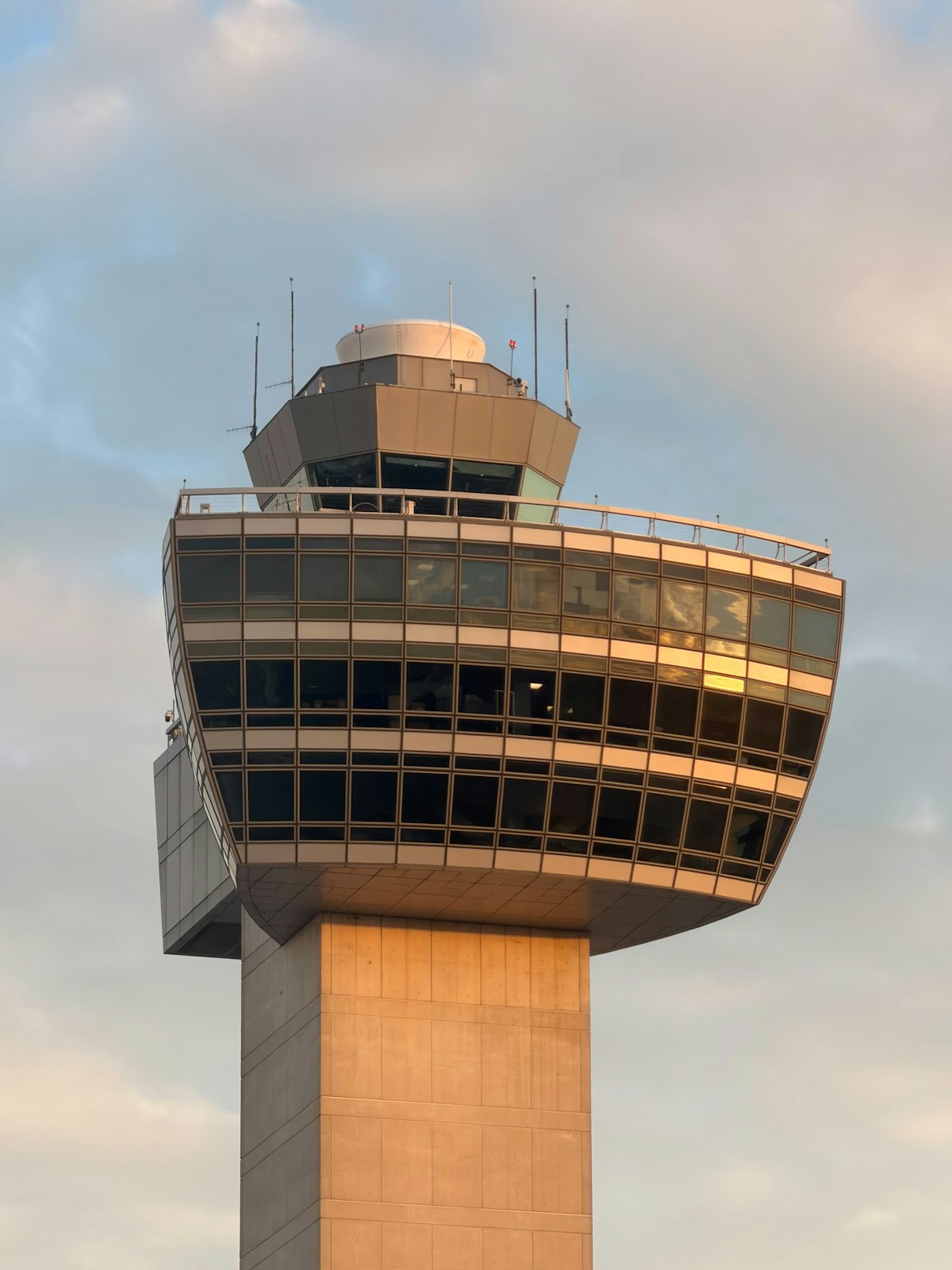
Managing potentially thousands of low-altitude aircraft operations over cities requires new approaches to air traffic management. NASA’s Advanced Air Mobility National Campaign is developing and demonstrating technologies for UAM traffic management, including detect-and-avoid systems, corridor-based routing, and integration with existing airspace users.
Use Cases and Applications
Initial UAM applications will likely include airport shuttle services, connecting city centers to airports in minutes rather than hours stuck in traffic. Medical transport, emergency response, and cargo delivery represent additional near-term applications. As the technology matures and costs decrease, broader passenger transportation services will emerge.
Economic Considerations
For UAM to achieve mass market adoption, operating costs must decrease substantially from current helicopter services. Electric propulsion offers lower energy and maintenance costs, while autonomous operations could eventually reduce crew expenses. Industry projections suggest air taxi fares could eventually approach ground-based ride-sharing prices.
Regulatory Progress
Regulators worldwide are developing frameworks for UAM operations. The FAA has published a comprehensive UAM Concept of Operations, outlining how these operations will integrate with existing airspace. International harmonization efforts aim to enable aircraft developed in one country to operate globally, supporting industry growth.




Stay in the loop
Get the latest flighttechtrends updates delivered to your inbox.