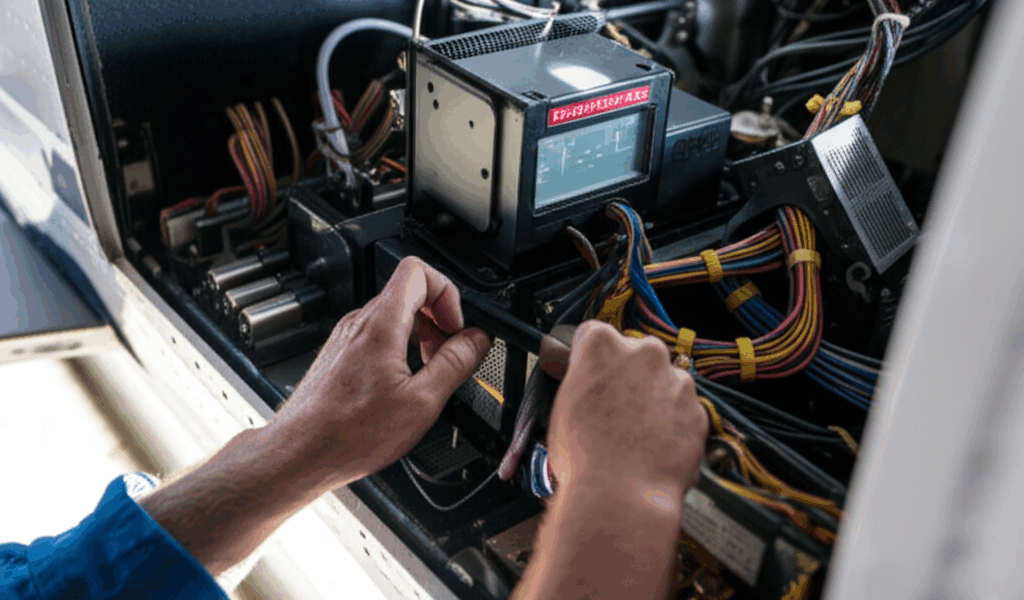
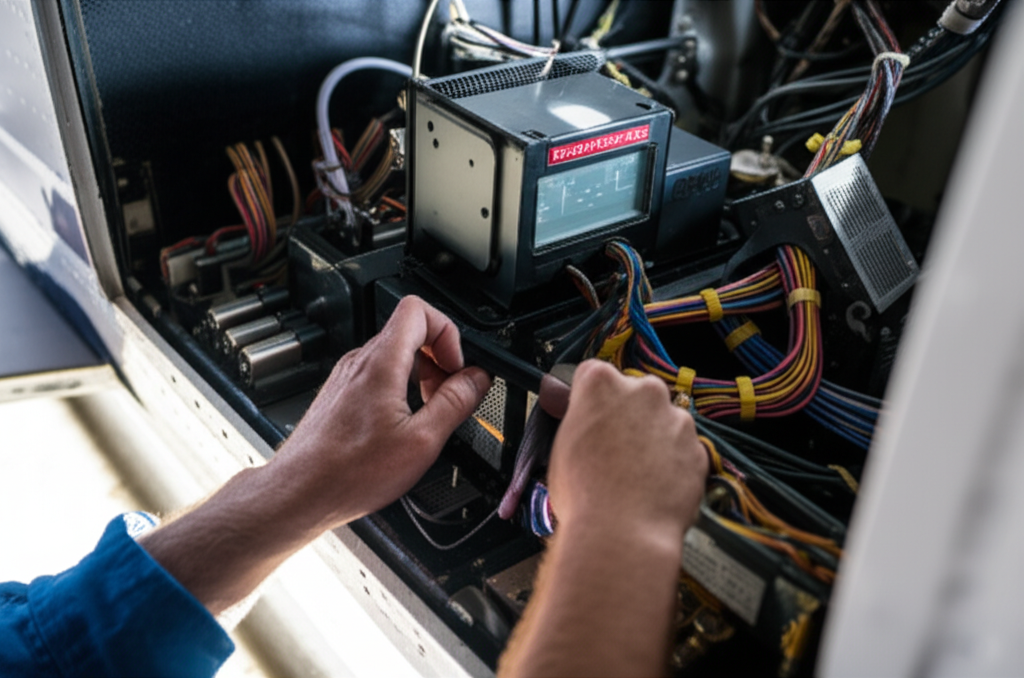
Transponder checks are one of those regulatory requirements that many pilots know about but fewer understand in detail until they’re staring at a squawk code that ATC can’t see. As someone who learned the hard way that “the transponder looks fine from the cockpit” doesn’t mean it’s actually performing correctly, I came to understand exactly what these checks involve and why they matter. Today, I will share it all with you.
What a Transponder Does
A transponder is a radio receiver-transmitter that responds to interrogation signals from ground-based radar systems and Traffic Collision Avoidance Systems on other aircraft. When radar interrogates your transponder, your unit sends back a coded reply telling ATC your position, altitude, and identity.
Mode C transponders add altitude encoding to the reply. Mode S transponders (the current standard) add a unique aircraft identifier and support ADS-B capabilities in newer equipment. The system only works if your transponder is responding accurately. An incorrect altitude reply gives ATC a false picture of your position in the vertical dimension — which is a direct safety hazard in busy controlled airspace.
Why Transponder Checks Are Required
FAR 91.413 establishes the regulatory requirement: transponders used in controlled airspace must be tested and inspected every 24 calendar months. This applies to Mode A, Mode C, and Mode S transponders. The rule exists because transponder performance can degrade over time without any obvious indication to the pilot. The transponder might power on, the squawk code light might illuminate, and everything might look fine from the cockpit — while the altitude encoding is drifting off by hundreds or thousands of feet. ATC relies on transponder data to separate traffic, and inaccurate altitude data undermines that separation.
What the Check Covers
The test is performed by an FAA-certificated repair station. The technician tests frequency accuracy (the transponder must respond on the correct frequency), altitude encoding accuracy (verified against a known reference), suppression (proper handling of interference), and reply rate and signal strength. Both the encoder output and the transponder’s reporting of that data are checked — it’s the complete chain, not just the box in the panel.
What Gets Logged
After the check, the technician logs the test in the aircraft’s maintenance records with the date, findings, and their certificate number. The 24-month clock runs from the calendar month of the last check — not the actual date. A check performed in March 2023 is valid through the end of March 2025. Check your logs if you’re uncertain when you’re due.
Mode S and ADS-B
If your aircraft is equipped with ADS-B Out (required since January 2020 in Class A, B, C airspace and certain other areas), the system also requires verification. An ADS-B check verifies that position, altitude, velocity, and aircraft identification data are accurate and broadcasting correctly. The FAA offers a free ADS-B performance report through their website — pilots can check their aircraft’s performance from previous flights. This doesn’t replace the required maintenance inspection, but it’s a useful diagnostic tool for identifying issues between checks.
Finding a Shop
Any FAA-certificated avionics repair station can perform transponder checks. Your local FBO either does these in-house or can refer you to a nearby shop. They’re routine — most shops turn one around quickly and the cost is typically modest, often under $100 for a Mode C check and somewhat more for Mode S.
If you’re buying a used aircraft, verify the transponder check date before you take delivery. An expired check means you’re grounded in Class B and C airspace until it’s completed. Probably should have confirmed that detail before closing on a purchase — it’s the kind of thing that creates an unpleasant surprise on the first planned flight.
Practical Notes
The transponder check doesn’t include the altimeter check — FAR 91.411 requires pitot-static system and altimeter checks every 24 months for IFR flight. Many shops combine the transponder and IFR checks into a single maintenance event. If you fly IFR, both clocks apply and scheduling them together saves time and cost.
The transponder check is a straightforward maintenance item that most pilots never think about until their check is overdue. Keep the date logged somewhere easy to find, get it done on schedule, and move on.




Stay in the loop
Get the latest flighttechtrends updates delivered to your inbox.